Los Angeles carries a reputation built on film studios, beaches, and traffic. What gets overlooked is how much of its past still lives in places that people actively use today. The goal here is not to collect plaques or snap proof-of-visit photos. It’s to stand somewhere meaningful and understand why this city developed the way it did.

If you are searching for historical landmarks in Los Angeles that feel alive rather than rehearsed, these locations reveal stories that still shape daily life.

1. El Pueblo de Los Angeles

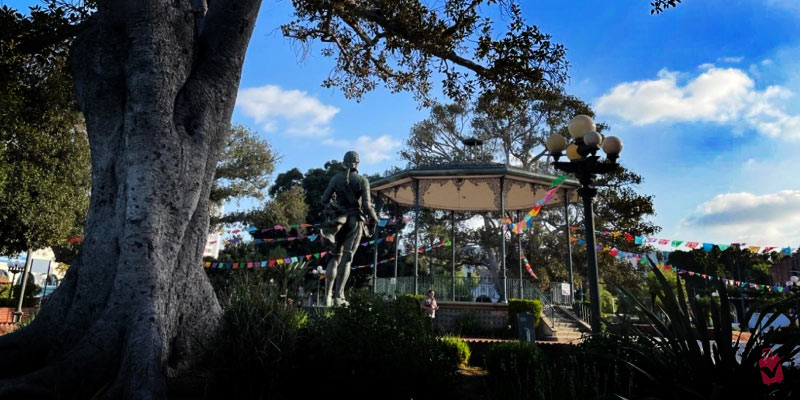
A statue stands in a park gazebo adorned with colorful flags, capturing the essence of El Pueblo de Los Angeles.

El Pueblo de Los Angeles, where the city began. If you want to understand Los Angeles from the ground up, start where the city was born. El Pueblo de Los Angeles remains one of the clearest windows into early settlement life.

Everything sits close together. Architecture, religion, politics, and community history exist in one compact area, which makes it easier to read the city’s early identity without effort.

2. Olvera Street

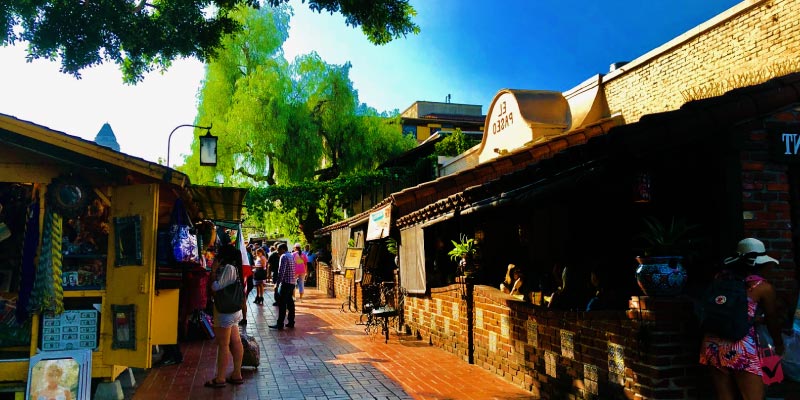
Pedestrians stroll along a vibrant street lined with shops and restaurants, depicting the lively atmosphere of Olvera Street.

Right next to it is Olvera Street. Yes, it attracts tourists. Olvera Street, where Los Angeles still feels closest to its roots. It is also layered, active, and culturally grounded. Street vendors, food, families, noise, color, and routine give it urgency rather than nostalgia.

It feels lived in, and that matters. Spend time walking. Eat there. Listen. Together, El Pueblo and Olvera Street anchor LA’s beginnings in a way that feels real rather than decorative.

3. Exposition Park

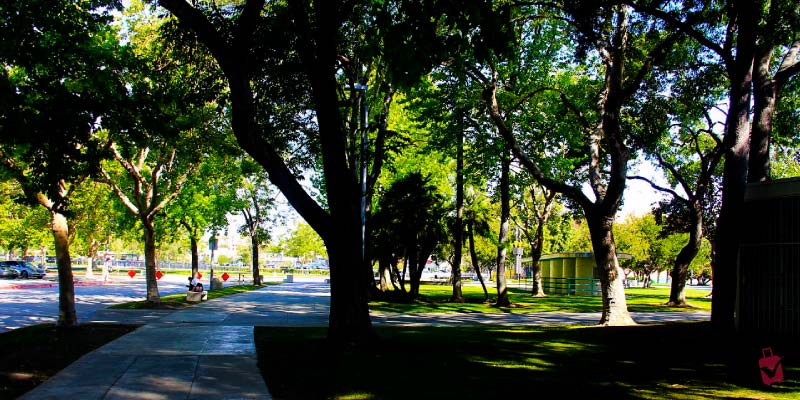
A serene park with lush green trees and a clear pathway, representing the natural beauty of Exposition Park.

Some places explain history because people continue to move through them with purpose. Exposition Park is a perfect example. Exposition Park is where science, culture, and community gather in one place.

Instead of a single landmark, it works as a cluster where education, culture, civic identity, and public life come together. Students gather, families wander, locals return. It never feels like a preserved shell. It feels like a working part of the city.

If your trip includes the FIFA WORLD CUP 2026, this area also practically connects the past and present. It helps visitors build a mental map of Los Angeles that makes sense beyond famous postcard images, so make sure the place where you stay in Los Angeles allows easy access to both major venues and meaningful cultural sites.

4. The Hollywood Bowl

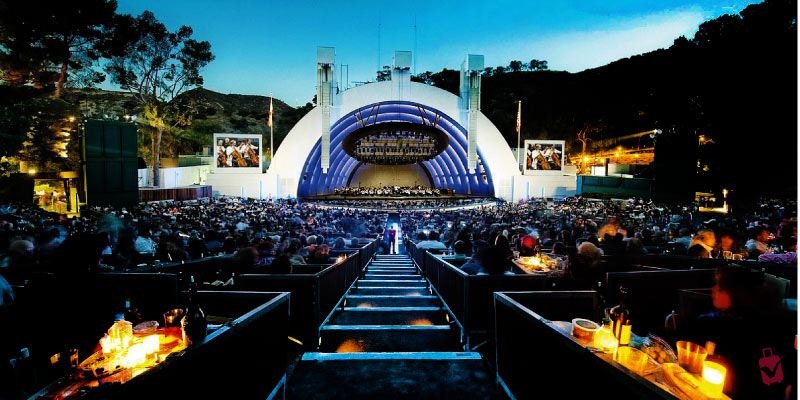
The Hollywood Bowl at dusk, featuring a crowded amphitheater with a symphony orchestra on stage, highlighting a famous music venue.

Then there’s the Hollywood Bowl. The Hollywood Bowl continues a legacy of music echoing beneath open skies. Many landmarks become symbolic after they stop functioning. The Bowl stayed relevant. Sitting in those seats is not about staring at history.

It is about participating in it. The setting, the architecture, the shared energy explain why performance and spectacle are part of LA’s core identity. Even if you only visit and walk the grounds, it delivers context you cannot absorb from television or film tours.

Los Angeles develops a different rhythm along the ocean, and two places reveal how long that relationship has mattered.

5. Santa Monica Pier

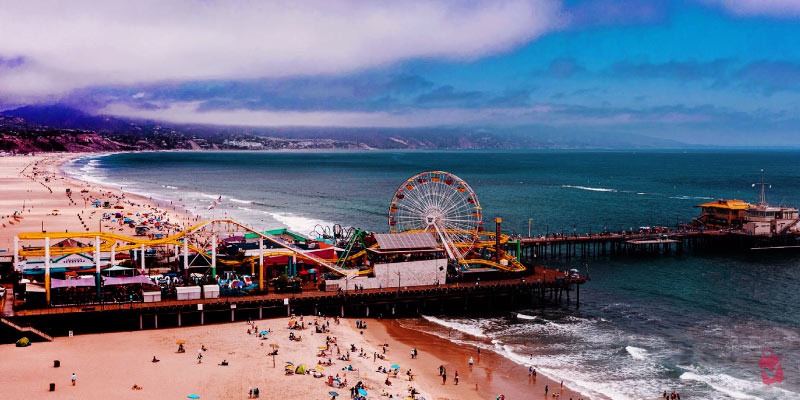
An aerial view of Santa Monica Pier and beach, with a Ferris wheel and roller coaster under a cloudy sky.

Santa Monica Pier blends nostalgia, entertainment, and ocean energy. It’s a busy, unapologetic, and active at nearly every hour. That is the point. It has carried generations of recreation, work, music, noise, and coastal life.

It is not polished and it does not pretend to be subtle. Stand there long enough and it becomes obvious how public joy, entertainment, and open space defined the city long before social media narratives shaped it.

6. Palisades Park

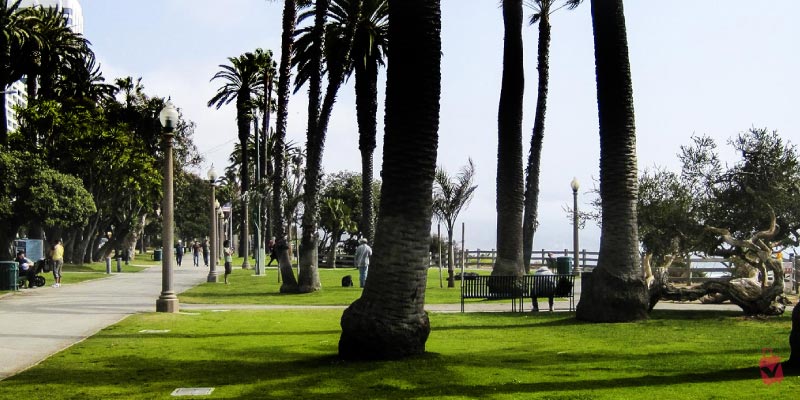
Palm trees line a grassy park with people walking and sitting on benches, embodying the tranquility of Palisades Park.

Above it, Palisades Park provides a calmer counterbalance. It stretches along the cliffs, offering space to slow down and process everything that surrounds it. This is city planning rooted in public access and shared benefit. It proves LA history is not only about economics or celebrity.

Sometimes it is about creating views and movement for everyone. Together, they form a coastal timeline that still feels active rather than commemorative. Not every significant site in Los Angeles is loud or famous. Some locations require a slower pace to appreciate their meaning.

7. Brand Park Memory Garden

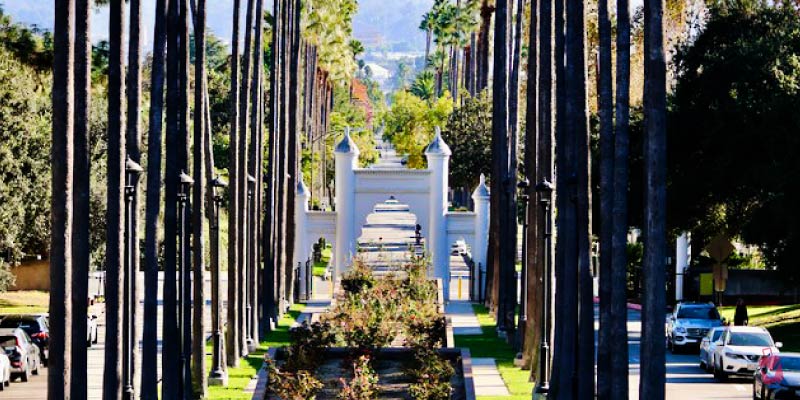
Brand Park Memory Garden does this beautifully. It feels intentional and carefully preserved without turning into a sterile display. Details matter here. Architecture, landscaping, and the preserved atmosphere demonstrate how communities protect history because it matters to them, not because someone demanded it for tourism.

8. Hancock Park

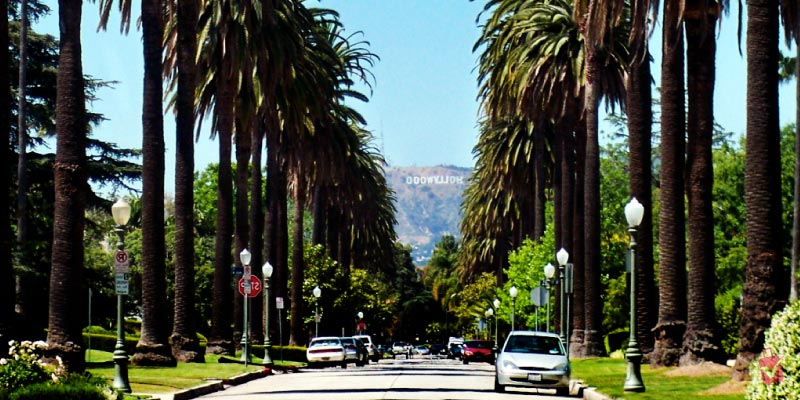
A tree-lined street with the Hollywood sign visible in the distance, capturing the iconic view from Hancock Park.

Hancock Park reveals the city’s elite past through preserved architecture, showing another kind of heritage. Walking here helps you understand how wealth, ambition, and social structure shaped LA’s development. The neighborhood layout, residences, and environment reflect power and aspiration over time.

You learn by observation rather than by signage. These places reward the type of traveler who enjoys context instead of spectacle. Long before Los Angeles grew into neighborhoods, skylines, and highways, it existed as terrain and passage.

9. Portolá Trail Campsites

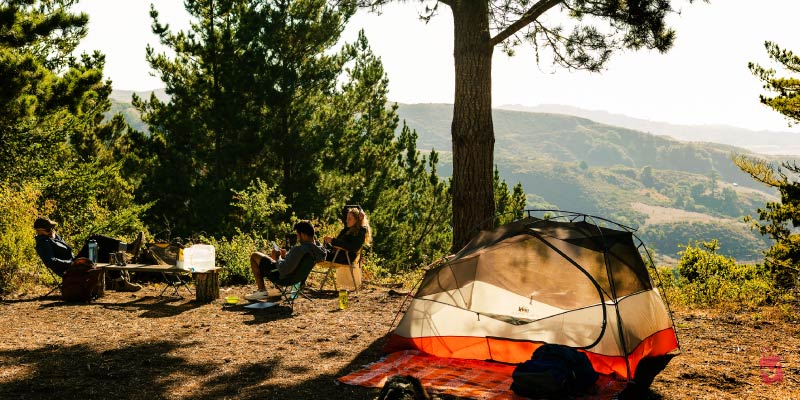
People relaxing around a tent and campfire in a scenic, forested area, showcasing the Portolá Trail Campsites experience.

The Portolá Trail Campsites connect visitors with exploration history, indigenous presence, and the earliest recorded movement through this land. They shift perspective away from modern infrastructure toward survival, geography, and the reality of traveling across unfamiliar territory. It is grounding. It reminds you that Los Angeles was once primarily land to cross, not a city to navigate.

10. Watts Towers

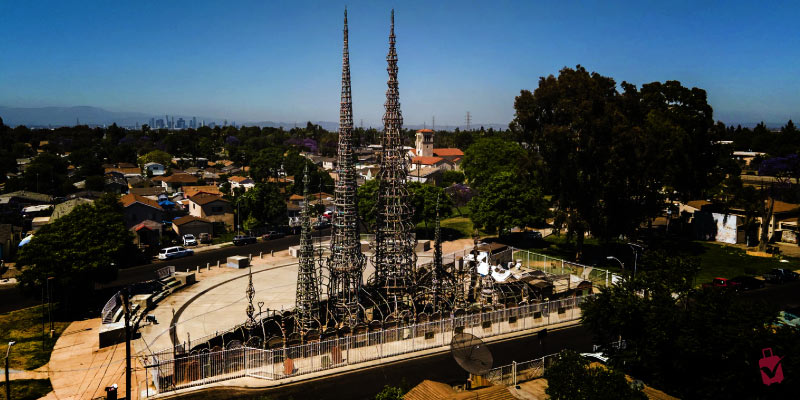
An aerial view of the Watts Towers, intricate sculptural towers rising above a residential neighborhood.

Few Los Angeles landmarks feel as personal and human as Watts Towers. Built over decades by one individual using reclaimed materials and relentless determination, they challenge conventional expectations of what a monument should be.

Their importance is not just visual. They represent persistence, community identity, and creativity driven by belief rather than funding. The towers stand as proof that history is not always institutional. Sometimes it comes from someone who decides not to stop building.

If you want an emotional connection to LA’s story rather than an academic one, this is essential.

Final Thoughts

Exploring historical landmarks in Los Angeles matters most when you visit places that still shape daily life. These sites are active, cultural, and meaningful, helping you see how different eras overlap instead of replacing one another. Whether you are here for major events or a deeper visit, they give you a grounded sense of how LA grew into the city it is today.

FAQs

Los Angeles is rooted in Indigenous history, followed by Spanish and Mexican settlement, early ranching communities, railroad growth, and later the rise of film, broadcasting, aerospace, and immigration-driven neighborhoods. Its past is layered rather than linear, shaped by people arriving and reshaping the region over time.

El Pueblo de Los Angeles is often viewed as the city’s defining historical landmark. It preserves the original settlement core and remains active with museums, cultural buildings, and daily life around it, which keeps its relevance intact.

Hollywood carries the strongest global identity. Film studios, long-standing venues, and cultural references have made it synonymous with creativity, ambition, and entertainment history.

The name comes from its original Spanish name El Pueblo de Nuestra Señora la Reina de los Ángeles. Over time, it shortened in daily use, and City of Angels became the natural English reference.

Griffith Observatory stands out as one of the most recognized structures in Los Angeles. It connects science, public learning, and city identity, while also serving as a landmark locals regularly return to, not just a sightseeing stop.

More Related Blogs From Travel Recommendations