When I first started visiting Miami, I treated it as a place of beaches and sunshine. Eventually, I realized that the city carries layers of time that change the way you see it. If you are here for big events or only for a short stay, these Historical Landmarks in Miami keep you grounded in the city itself.
They explain how Miami grew, who shaped it, and why it feels distinct from other places in Florida. I planned my visits with simple questions in mind. The answers surprised me more than any postcard image could.
I grouped the most meaningful stops into a few clear sections, so planning becomes easier. Each place below gave me something specific rather than a generic travel filler. If you want a city memory that feels real, this is where to start.
Let’s move on to these places i’m talking about…
Table of Content
- 1. The Ancient Spanish Monastery
- 2. Gesu Church Miami
- 3. Arch Creek Park
- 4. Oleta River State Park
- 5. Historic Stranahan House Museum
- 6. Vizcaya Museum and Gardens
- 7. Holocaust Memorial Miami Beach
- 8. Sunshine State Arch
- 9. Dade County Courthouse
- 10. Wynwood Walls
- Final Guidance If You Are Planning Your Route
- FAQs
- More Related Blogs From Travel Experiences
1. The Ancient Spanish Monastery
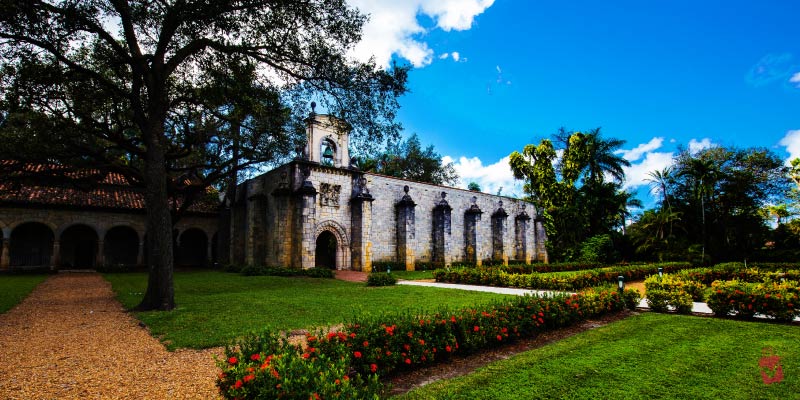
This is one of the miami landmark buildings that feels almost unreal the moment you step inside. The monastery was originally built in Spain in the 12th century as part of a Cistercian abbey and served as a religious center until Spain’s ecclesiastical reforms dissolved it.
In the 20th century, a private collector purchased the stones, had them shipped to Florida, and eventually donated them for reconstruction in Miami. I went in the morning when the grounds were calm and the whole place felt like it carries time differently than the rest of the city.
You find cloisters, quiet courtyards, heavy stone walls, and a stillness that makes you slow down without effort. It sits in the North Miami Beach area and feels like a completely different world inside the city.
2. Gesu Church Miami
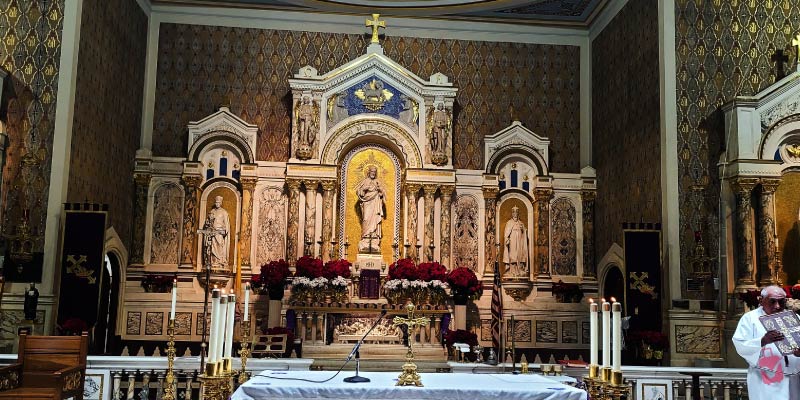
Right in downtown, the Gesu Church feels steady while everything else races around it. Founded in 1896, it was the first Catholic parish in Miami and became a cornerstone of the city’s early immigrant community, particularly Cuban and European families arriving at the turn of the century.
This is one of the oldest standing church structures in the city and one of the Miami landmarks locals genuinely recognize in daily life. I stopped in the afternoon and sat quietly inside for a while, and it immediately felt like a place that has held stories for generations.
The detailed interior, the atmosphere, and the sense of continuity create a strong emotional grounding. Late afternoon light makes it even calmer and more reflective.
3. Arch Creek Park
If you ask locals about the oldest place in Miami with authentic natural character, this often comes up. The creek area was long used by Tequesta people before European contact, serving as a gathering place and freshwater source.
In the late 19th century, settlers built the limestone Arch Creek Bridge, which became a key crossing point for trains and road traffic. It is not polished or staged. It feels honest. The creek, the limestone bridge, and the natural surroundings tell stories about Native communities, early settlers, and environmental change without drama.
Walking through its shaded paths gave me a sense that history here lives in the landscape, not only in buildings. It is located in the North Miami area and feels refreshingly real.
4. Oleta River State Park
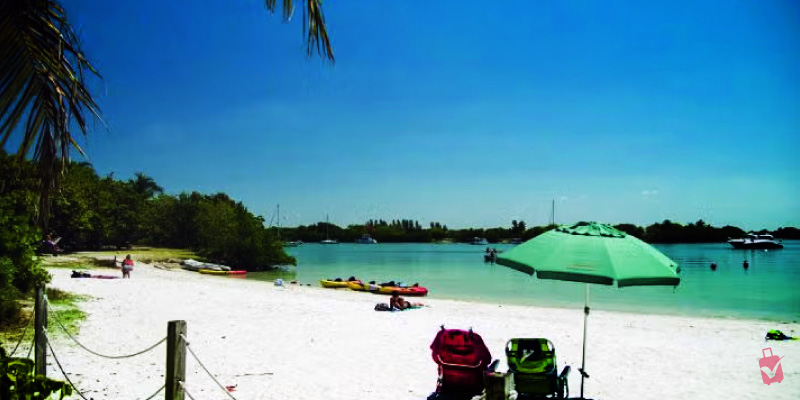
I first went thinking it was only a park, but it helped me understand what this land looked like long before modern Miami existed. This area was originally inhabited by Native peoples and later became the site of early 20th-century logging operations that harvested valuable timber for Miami’s early growth.
After logging operations ended, the land was preserved and transformed into Florida’s largest urban state park in the 1970s. Kayaking through mangroves and watching still pockets of water quietly reminded me that the city grew out of environments like this.
That perspective changes how you see development, survival, and identity here. Morning and early evening feel especially peaceful, and the mix of cycling trails, calm waters, and open natural areas makes the past and present feel connected.
5. Historic Stranahan House Museum
This is often mentioned as one of the most famous historical landmark style experiences in the broader Miami and South Florida region. Built in 1901 by Frank Stranahan, a riverboat captain and early Fort Lauderdale pioneer, the house originally served as his trading post and later became the community’s first schoolhouse and civic center.
It is an early home that later became central to trade and community development. When I toured it, what struck me most were the small details of daily life rather than big dramatic stories. It shows how people actually lived, worked, and shaped the area.
Guided visits make the experience clearer and more personal, and standing inside feels like stepping into the real beginnings of urban life here. It sits along the New River in Fort Lauderdale and still feels essential when understanding Miami’s wider historical context.
6. Vizcaya Museum and Gardens
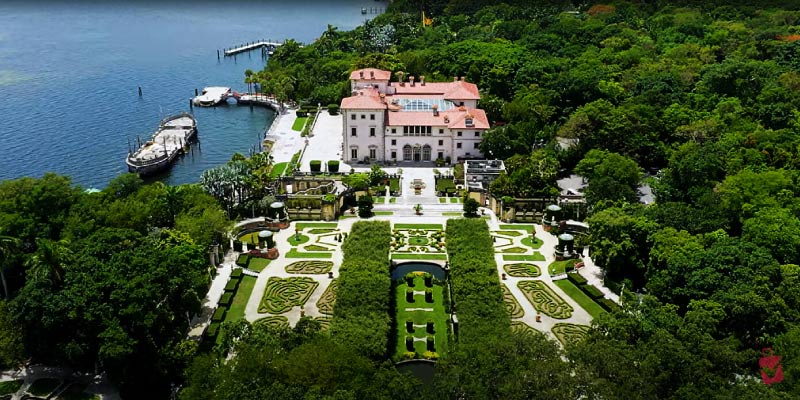
This is one of the most recognizable Miami landmarks for visitors, and it deserves that reputation. Built between 1914 and 1922 for industrialist James Deering, the estate was designed to reflect European Renaissance and Baroque influences.
It became a symbol of Miami’s early 20th-century ambition to connect itself culturally and economically with the rest of the world. I walked in expecting only visual beauty, but left thinking about ambition, influence, and how wealth once tried to define Miami’s identity.
The large rooms, European-inspired details, and perfectly structured gardens all tell a story about how the city positioned itself in the world. Arriving earlier helps you appreciate everything more comfortably. With its Coconut Grove setting and waterfront presence, it feels like a grand chapter of Miami’s past preserved in place.
7. Holocaust Memorial Miami Beach
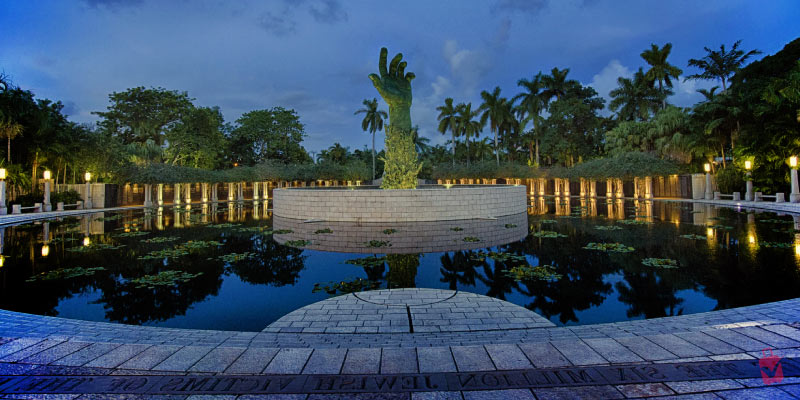
This is not a casual sightseeing stop. I spent my time here quietly, allowing the space to speak on its own. The idea for the memorial was developed by survivors and community members in the 1980s, and the completed monument opened in 1990.
Its design intentionally avoids theatricality and instead invites solemn remembrance through sculpture and names of the lost. The sculptures, names, and careful design pull you into reflection without forcing anything.
It holds deep meaning for the city because Miami has long been home to one of the largest Holocaust survivor communities in the United States. Visiting early or toward evening creates a naturally respectful atmosphere. It is one of those places that demands thought, empathy, and calm attention.
8. Sunshine State Arch
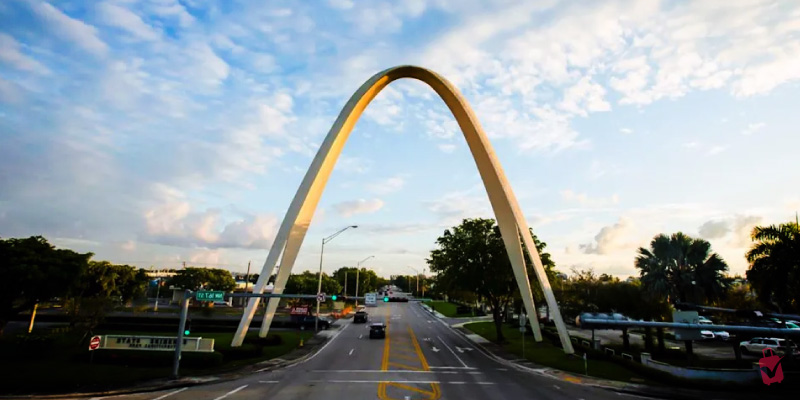
This striking structure greets many travelers arriving from the north and carries the sense of mid twentieth century optimism frozen in time. Built in the 1960s as part of a movement to welcome visitors along major highways, it reflects a period when Miami was asserting itself as a national destination.
Standing near it, I could feel how it once symbolized arrival, movement, and promise. It sits in the Little River area and still carries strong visual power, reminding you how Miami once presented itself to the world.
9. Dade County Courthouse
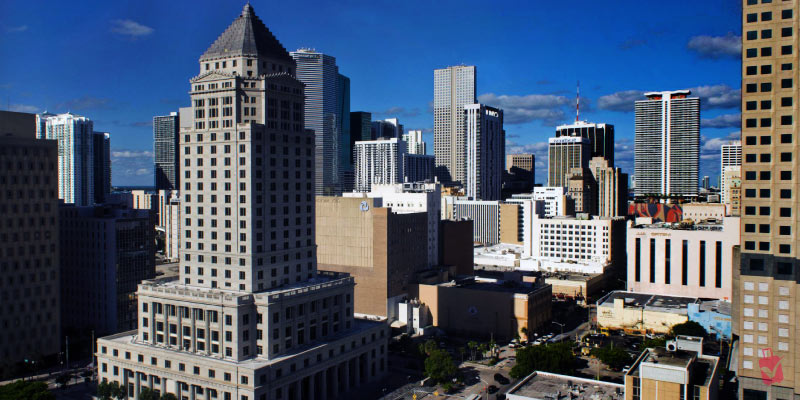
If you want to see power, civic life, and history expressed through architecture, this building delivers it immediately. Completed in 1928, the courthouse was known as Miami’s first skyscraper and became a symbol of the county’s growing influence.
It rose above much of downtown, anchoring civic life and legal authority. I walked slowly around it, noticing the scale and formal presence. Seeing it helps you understand that government and law shaped this city as significantly as tourism or entertainment ever did. Daytime makes its details clearer and gives you a good sense of its authority.
10. Wynwood Walls
Even if you are coming to Miami for major events or international moments, Wynwood reminds you that the city’s identity is creative and constantly evolving. What began in 2009 as an effort to transform old warehouse walls into large-scale murals has grown into one of the most dynamic public art spaces in the country.
I spent time walking block after block, and nothing felt like decoration. The murals feel like statements, and the open-air format makes it feel alive rather than static, always changing and responding to culture.
Late afternoon, moving into evening, it is a great time to explore, and the neighborhood energy adds to the experience. This place proves that history is not only preserved from the past. It is also being created right now.
Final Guidance If You Are Planning Your Route
If you are coming to Miami with limited time, especially during global sports seasons when everything feels busy, choosing the right Historical Landmarks in Miami keeps your trip grounded. These places link nature, community, faith, architecture, civic life, art, and human memory. That mix is what makes Miami feel real rather than staged. Before you lock everything in, comparing Miami hotel deals before finalizing your plans really helps, especially during the busy travel season.
If you want, tell me how long you will be in Miami, whether you are staying on the mainland or near the beach, and whether you prefer quiet reflection, architecture, or outdoor history. I can help shape a route that makes sense rather than wasting time on generic stops.
FAQs
Freedom Tower symbolizes Miami’s role as a refuge for Cuban exiles and immigrants. It represents political displacement, hope, and the shaping of Miami’s modern identity.
The most popular historic site in Miami is the Vizcaya Museum and Gardens. This grand estate, built in 1916, attracts visitors for its Italian Renaissance-style architecture, beautiful European-inspired gardens, and waterfront setting. It represents Miami’s early elite history and remains one of the city’s most photographed and visited cultural landmarks.
The Holocaust Memorial Miami Beach is considered the most famous historical monument in Miami. Known for its powerful sculpture of an outstretched arm and emotional memorial design, it serves as a moving tribute to Holocaust victims. It is one of the most meaningful places in the city for reflection, remembrance, and historical awareness.
Miami is called the Magic City because of how quickly it developed. In the early 1900s, Miami transformed from a small settlement into a booming city almost “like magic.” Its rapid population growth, expanding skyline, and constant evolution made visitors feel like the city appeared overnight, earning it the nickname that still defines it today.
The most important historical site to visit in Miami is often considered the Vizcaya Museum and Gardens. It captures Miami’s cultural past, luxurious history, and heritage better than anywhere else. With its preserved architecture, artwork, and gardens, it offers a complete historical experience and is highly recommended for anyone who wants to understand Miami’s historical roots.

More Related Blogs From Travel Experiences
Things to Do in Atlanta: Your Complete Guide
Full List of Things to Do in Toronto: Simple, Stress-Free Picks!
When is the Best Time to Visit Carcassonne to Avoid the Crowds?
Margaret C. Jones
Margaret C. Jones, a passionate explorer of North America, captivates readers with her vivid tales on Travelarii’s blog. With a keen eye for hidden gems and local culture, Margaret offers expert advice and unique insights to enhance your travel experience. Her stories bring the diverse landscapes and vibrant cities of North America to life, inspiring readers to embark on their own adventures.