Got a few hours in San Francisco during the FIFA World Cup 2026? Many travelers will face tight gaps between matches, where even a few hours between games will shape how they plan their day.
That is why many travelers staying in hotels near Levi’s Stadium for the FIFA World Cup 2026 will move in a rush, going straight from hotel to stadium without much pause, leaving little time to notice what the city actually offers. Time feels short, and planning becomes messy.

With that kind of schedule, many will skip nearby places that carry real history. The Bay Area has many historic landmarks close to common travel routes. Travelers will not need long trips to see them.
In this post, you will learn about eight famous landmarks in the San Francisco Bay Area. You will also see how to fit each one into short breaks during your World Cup 2026 visit. The goal is simple. Help you use your time better and see more than just the stadium.
| Book Hotels Near FIFA WC ’26 Stadiums |
|---|
Table of Content
- 1. Golden Gate Bridge
- 2. Alcatraz Island
- 3. Fisherman’s Wharf and Pier 39
- 4. Mission San Francisco de Asís
- 5. San Francisco City Hall
- 6. San Francisco War Memorial and Performing Arts Center
- 7. Fort Point National Historic Site
- 8. Sunnyvale Heritage Park Museum
- Final Thought
- FAQs
- More Related Blogs From Trending Destinations
1. Golden Gate Bridge
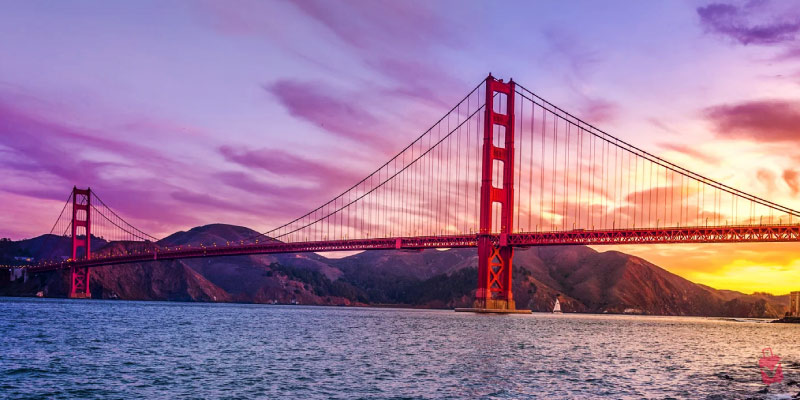
Construction of the Golden Gate Bridge began in 1933 during the Great Depression, led by chief engineer Joseph Strauss. At completion in 1937, it was the longest suspension bridge in the world, spanning 4,200 feet.
The bridge was considered an engineering marvel due to the challenging winds, deep water, and frequent fog in the Golden Gate Strait. Its Art Deco design and International Orange color were chosen both for aesthetics and visibility in fog.
During World War II, the bridge played a strategic role as a coastal defense point, though it was never attacked. Today, it remains both a symbol of San Francisco and a testament to human ingenuity, and it continues to stand among the most recognizable things to do in the San Francisco Bay Area for first-time visitors and returning travelers alike.
Must Things to Do in Golden Gate Bridge
- Walk or cycle across and imagine its construction during the Great Depression
- Visit the Welcome Center to see historic photos and engineering details
- View the bridge from Fort Point for its Civil War-era context

Tips to Avoid Unexpected Situations
- Wind on the bridge is stronger than it feels on land
- Fog can arrive suddenly and limit views
- Parking near popular viewpoints is limited, so earlier timing helps
- Walkway hours change, so check them before going
2. Alcatraz Island
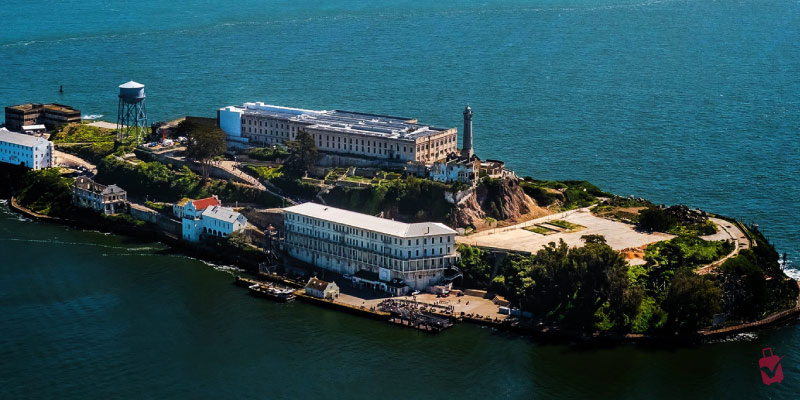
Alcatraz Island’s story begins in 1850 when it became a military fort to protect San Francisco Bay. Later, it housed a military prison during the Civil War.
In 1934, the federal government transformed it into a high-security penitentiary, famously detaining criminals such as Al Capone and George “Machine Gun” Kelly. The prison was designed to be inescapable, though 36 men attempted escape, and only a few succeeded in surviving.
The island also carries significance for Native American history; in 1969, activists occupied Alcatraz for 19 months to demand the return of land and recognition of Indigenous rights.
Today, ferry tours provide detailed accounts of both the prison’s dark legacy and the island’s broader history.
Must Things to Do in Alcatraz Island
- Take the ferry and follow the audio tour of the prison
- See guard towers, recreation yards, and solitary cells
- Walk the island trails to view military fortifications and cityscapes
- Learn about the 1969–1971 Native American occupation
Tips to Avoid Unexpected Situations
- Tickets often sell out well in advance
- Temperatures can feel cooler on the island than the city
- Comfortable shoes are important because the walk is uphill
- Food is not sold on the island, so plan ahead
3. Fisherman’s Wharf and Pier 39
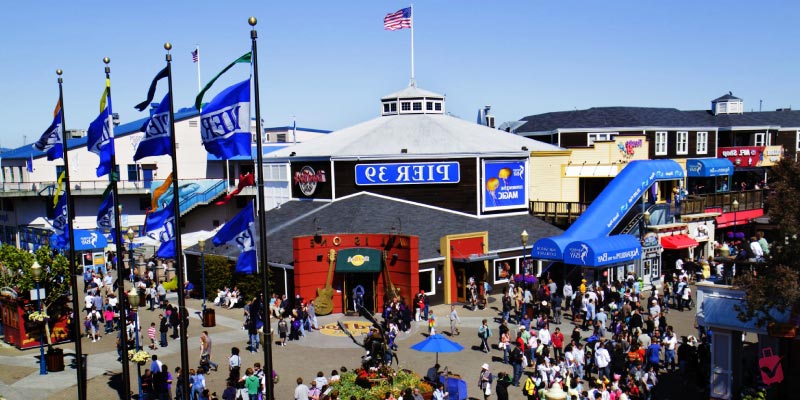
Fisherman’s Wharf dates back to the late 1800s when Italian immigrant fishermen established it as a hub for the local fishing industry. The area supplied fresh seafood to the city and became a key economic driver.
Pier 39, constructed in 1978, transformed the neighborhood into a commercial and recreational space. While it is often associated with tourists, the waterfront preserves elements of its maritime heritage.
Historic ships docked nearby, such as the Balclutha, a 19th-century sailing vessel, showcase San Francisco’s role in Pacific trade. The sea lion population at Pier 39 became a natural attraction in the late 1980s, adding a layer of modern history to the site.
Must Things to Do in Fisherman’s Wharf and Pier 39
- Tour historic ships like the Balclutha and USS Pampanito
- Sample seafood while noting the area’s fishing history
- Observe sea lions and read historical markers along the wharf
Tips to Avoid Unexpected Situations
- Crowds are common, especially in the afternoons
- Prices tend to be higher than in many other neighborhoods
- Remain aware of belongings in busy spots
- Mornings usually feel calmer
4. Mission San Francisco de Asís
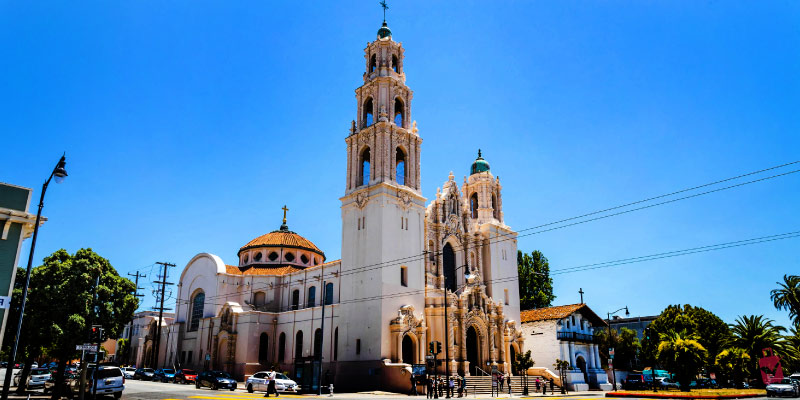
Mission San Francisco de Asís, commonly known as Mission Dolores, was founded in 1776 by Spanish Franciscan priests and is the oldest intact structure in San Francisco. It was part of a chain of 21 missions stretching along California, aimed at converting Indigenous populations and securing Spain’s claim to the territory.
The mission’s adobe church survived earthquakes and urban development, preserving murals and original wooden beams. The adjacent cemetery, known as the Mission Dolores Cemetery, holds the remains of early settlers and Indigenous people, providing a tangible record of colonial-era San Francisco.
The mission highlights the complex and often difficult interactions between European settlers and native populations.
Must Things to Do in Mission San Francisco de Asís
- Enter the Adobe church and examine the murals and beams
- Visit the cemetery to see early settler graves
- Join guided tours on the mission’s role in colonial California
Tips to Avoid Unexpected Situations
- Remember it is still an active religious site
- Photography may be restricted in some sections
- Pathways in the cemetery are narrow, so move carefully
- Visiting hours can shift, so verify beforehand
5. San Francisco City Hall
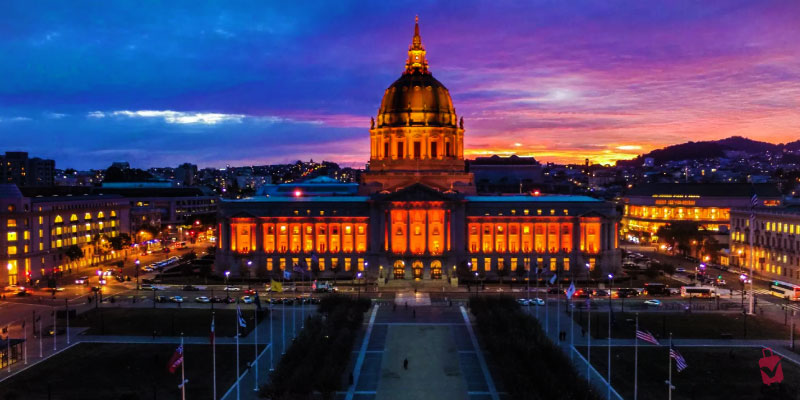
The current San Francisco City Hall opened in 1915, replacing the original destroyed in the 1906 earthquake and fire. Designed in the Beaux-Arts style by Arthur Brown Jr., the building boasts one of the world’s tallest masonry domes, surpassing even the United States Capitol.
City Hall has been a backdrop for major historical events, including the assassination of Mayor George Moscone and Supervisor Harvey Milk in 1978, pivotal moments in the city’s civil rights history.
The building embodies San Francisco’s resilience, civic ambition, and architectural sophistication, reflecting how the city rebuilt itself after a natural disaster, and it often serves as a central gathering place during civic celebrations and the wider list of festivals in the San Francisco Bay Area held throughout the year.
Must Things to Do in San Francisco City Hall
- Take guided tours to view staircases, chambers, and historic events
- Attend public ceremonies to see civic life in action
- Read plaques about political milestones
Tips to Avoid Unexpected Situations
- Security screening is required
- Some areas close during official events
- Weekdays are generally calmer for visiting
- Guided tours can add useful depth
6. San Francisco War Memorial and Performing Arts Center
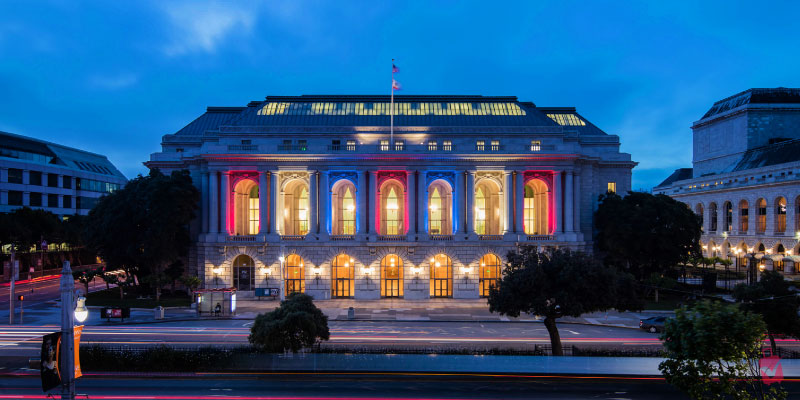
Constructed after World War I and completed in the 1920s, the San Francisco War Memorial and Performing Arts Center honors veterans while serving the city’s cultural needs. The complex includes the Veterans Building and War Memorial Opera House, which hosted the world premiere of Tosca in the United States. During World War II, the Veterans Building was used for military planning.
The architecture incorporates classical elements, intended to convey dignity and permanence. This site illustrates the city’s effort to intertwine remembrance, public service, and cultural enrichment.
Must Things to Do in the San Francisco War Memorial and Performing Arts Center
- Attend a performance in the Opera House
- Visit the Veterans Building to learn about military and civic history
- Join lectures or events linking art and history
Tips to Avoid Unexpected Situations
- Performance nights increase traffic and parking challenges
- Dress expectations vary by event, so check ahead
- Arrive early for security and seating
- Evenings can feel chill, so bring an extra layer
7. Fort Point National Historic Site
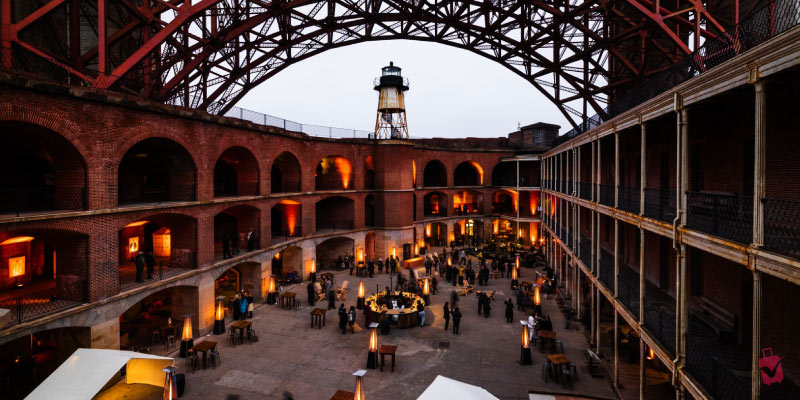
Fort Point National Historic Site, constructed from 1853 to 1861, was designed to protect San Francisco Bay against potential naval attacks during a period of national uncertainty.
The fort’s masonry walls, cannon placements, and strategic location at the base of the Golden Gate reflect military engineering of the era. Although it never engaged in combat, the fort played a role during the Civil War, safeguarding the western coastline.
Its preservation under the Golden Gate Bridge demonstrates the layering of history—19th-century military architecture coexisting with 20th-century engineering.
Must Things to Do in Fort Point
- Tour barracks, officer quarters, and cannon positions
- Learn about Civil War coastal defense
- Photograph the fort beneath the Golden Gate Bridge
Tips to Avoid Unexpected Situations
- Check operating days because it is not always open daily
- Wind near the water can be strong
- Stairs can be steep, so wear comfortable shoes
- Extra layers are helpful even on sunny days
8. Sunnyvale Heritage Park Museum
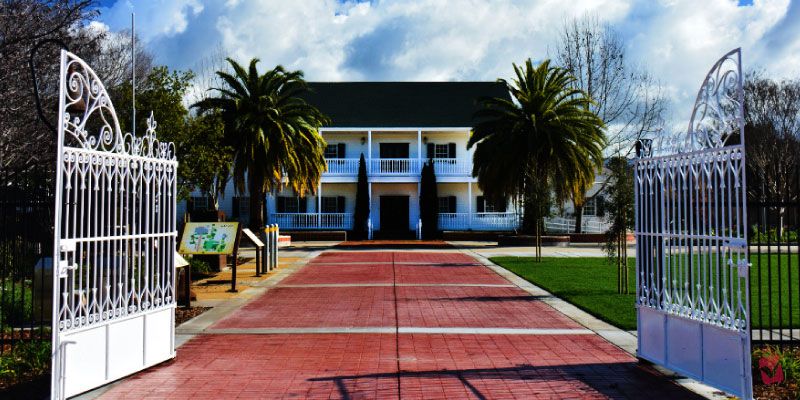
The Sunnyvale Heritage Park Museum provides insight into the South Bay’s transformation from agricultural land to a tech hub. Housed in a historic building, the museum features exhibits on early orchard farming, water management systems, and local governance.
Artifacts document the impact of World War II on the community, including the rise of defense industries. By connecting the past with the present, the museum helps visitors understand how small towns contributed to the broader Bay Area’s economic and technological growth.
Must Things to Do in Sunnyvale Heritage Park Museum
- See exhibits on agriculture and irrigation systems
- Learn about the city’s shift from farmland to an urban center
- Attend talks or programs on local history
Tips to Avoid Unexpected Situations
- Hours are limited, so plan timing carefully
- It suits slower visits rather than rushed sightseeing
- Families appreciate the calm outdoor surroundings
- Combine it with other South Bay locations for an efficient day
Final Thought
Historical landmarks in the San Francisco Bay Area work best when you treat them as living places rather than checklist stops. Each holds its own pace, temperature changes, transportation quirks, and emotional tone. If you allow time to listen, walk, observe, and absorb, these sites reveal how the region became what it is today.
FAQs
The Mission San Francisco de Asís, commonly known as Mission Dolores, is the oldest intact building in San Francisco. Completed in 1791, the adobe structure survived both the 1906 and 1989 earthquakes. It remains a centerpiece of the Mission District and offers a glimpse into California’s Spanish colonial era.
The color was selected by consulting architect Irving Morrow. While the U.S. Navy originally wanted the bridge painted with black and yellow stripes for visibility in the fog, Morrow chose “International Orange” because it complemented the natural surroundings and made the bridge more visible to passing ships in the Bay’s thick fog.
While most famous as a federal penitentiary (1934–1963), Alcatraz has a layered history. It served as a Civil War-era fort and a military prison. Most significantly, it was the site of the Occupation of Alcatraz (1969–1971), where Indigenous activists occupied the island to protest federal policies and advocate for Native American civil rights.
Lombard Street (specifically the block between Hyde and Leavenworth) is famous for its eight sharp hairpin turns. It was designed in 1922 to reduce the hill’s 27% grade, which was too steep for most vehicles to climb or descend safely at the time.
Yes. The Angel Island Immigration Station served as the main entry point for immigrants crossing the Pacific between 1910 and 1940. Unlike Ellis Island, it was often used to detain and interrogate immigrants, particularly those from China due to the Chinese Exclusion Act. Visitors today can still see poems carved into the wooden walls by detainees.
More Related Blogs From Trending Destinations

9 Best Quiet Vacation Spots in Florida

Best Places to Visit in Florida Keys You Shouldn’t Skip


Margaret C. Jones
Margaret C. Jones, a passionate explorer of North America, captivates readers with her vivid tales on Travelarii’s blog. With a keen eye for hidden gems and local culture, Margaret offers expert advice and unique insights to enhance your travel experience. Her stories bring the diverse landscapes and vibrant cities of North America to life, inspiring readers to embark on their own adventures.