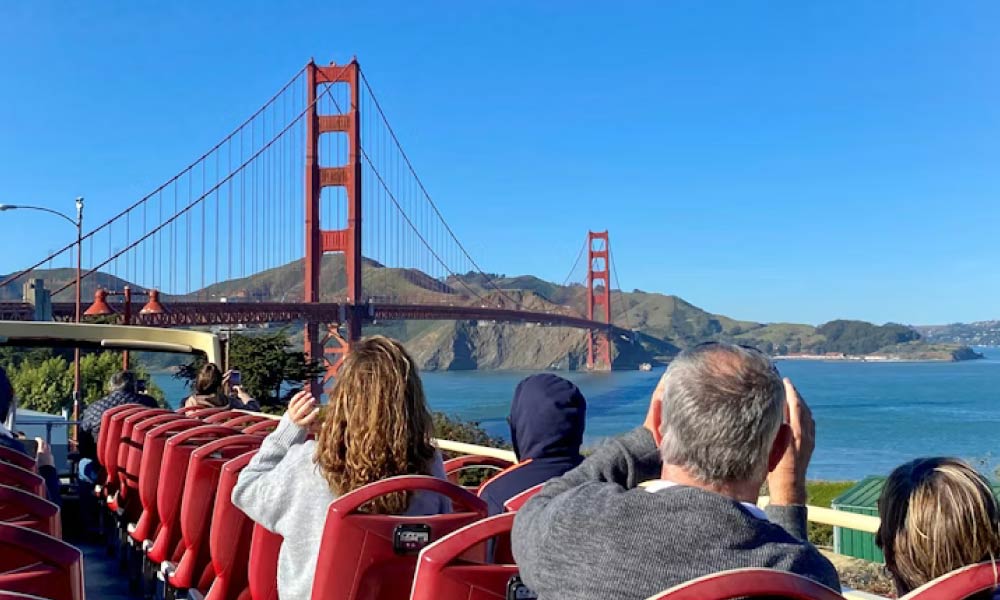
I have spent enough time in the San Francisco Bay Area to know how quickly it can overwhelm first-time visitors. Every block feels important, and every view begs for your attention. I put this guide together to help you plan a real, enjoyable day, not chase poetic ideas that lead nowhere.

You will find options for first-timers and return visitors, free things to do when you want to save money, and places that feel genuine rather than staged. With the FIFA World Cup 2026 bringing visitors to the region, this guide works especially well for match days and free mornings.

If you are attending games at the San Francisco Bay Area Stadium, staying in Santa Clara, Sunnyvale, or Mountain View can keep match days smooth while still allowing easy trips into San Francisco.

Getting Into the Bay Area

There are three major airports that visitors use, and the right choice depends entirely on what you plan to do.

San Francisco International Airport (SFO) is the closest airport to the city itself. It’s about 20 minutes by car when traffic behaves, and it’s directly connected to San Francisco via BART, the Bay Area’s rapid transit system. If most of your time will be spent inside San Francisco, this is the simplest option.

Oakland International Airport (OAK) sits across the bay. It’s also connected to San Francisco by BART, but driving from Oakland into the city requires crossing a bridge, which can add serious time during peak hours. Flights into Oakland are often cheaper, especially domestic routes, since Southwest flies here more aggressively than into SFO.

San Jose International Airport (SJC) is much farther south. There’s no efficient public transit link to San Francisco, and the drive usually runs over an hour. That said, if your plans include Silicon Valley, Santa Cruz, Monterey, or a loop through the South Bay, this airport can make sense.

10 Exciting Things to Do in the San Francisco Bay Area

While writing this, I kept thinking about visitors who will be in the city for something specific, like the FIFA World Cup 2026. When you are here for matches, your days are usually split into fixed schedules and small pockets of free time. Some of these experiences fit naturally into those gaps, easy to reach, not time-consuming, and satisfying without taking over your entire day.

1. Racing Down the Concrete Curves of Seward Street Slides

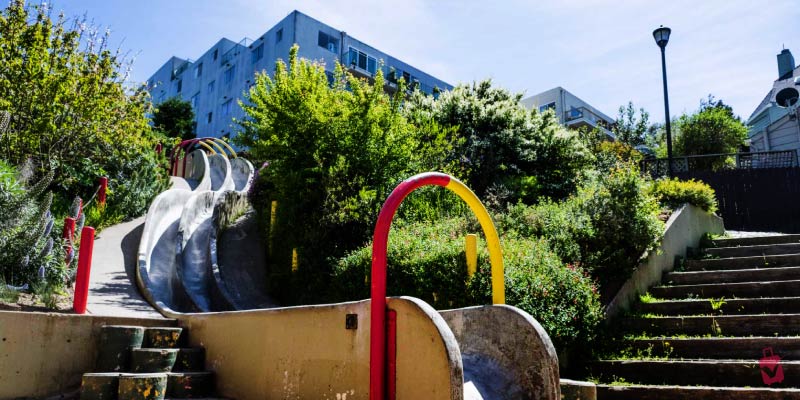
A view of the concrete Seward Street Slides surrounded by greenery and urban buildings for outdoor fun in San Francisco.
Seward Street Slides

When I reached Seward Street Slides, the neighborhood felt quiet and ordinary, which made the scene ahead feel even more surprising. People waited patiently near the top, passing pieces of cardboard back and forth as if this were a shared ritual.

When my turn came, I sat down, adjusted my position, and pushed off carefully. Within seconds, the slope pulled me forward faster than I expected. The concrete curved beneath me, and I focused on keeping my balance as the slide narrowed and dipped.

At the bottom, I stood up laughing, partly from the speed and partly from how unexpected the whole experience felt. What stayed with me was how naturally playful the space felt, without instructions or supervision, just people enjoying a simple moment together.

2. Losing Depth Perception at Magowan’s Infinite Mirror Maze

Magowan’s Infinite Mirror Maze

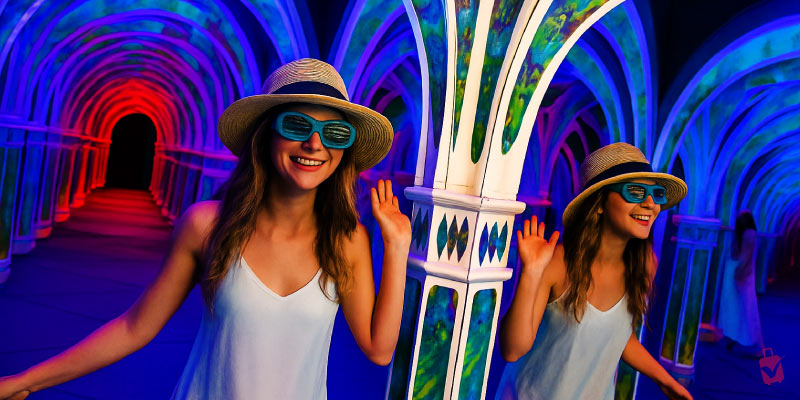
Stepping inside the mirror maze, I realized quickly that my usual sense of direction was unreliable. Lights shifted color, and reflections multiplied until it became difficult to tell where the walls actually were.

I slowed my pace and held my hands slightly forward, testing space before committing to each step. More than once, I headed confidently toward what looked like an open path, only to stop short when I realized it was glass.

I noticed others reacting the same way, laughing at their mistakes and pausing to reorient themselves. The experience demanded full attention, and by the time I found the exit, I felt mentally alert in a way that surprised me.

3. Waiting for Sound Waves at the Wave Organ

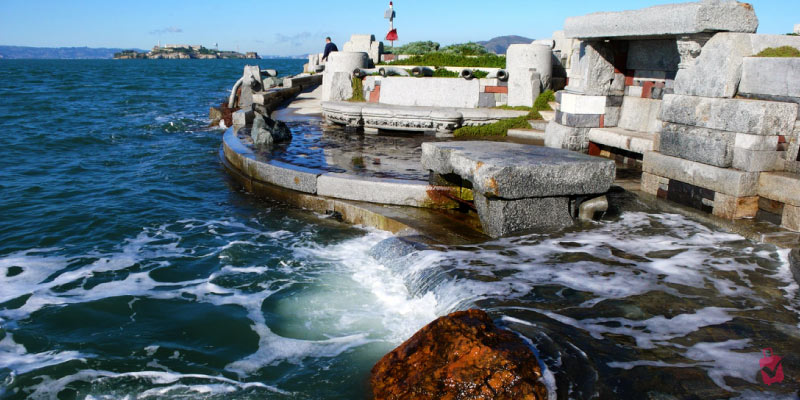
Sea waves crash against the stone pipes of The Wave Organ, an acoustic sculpture on the San Francisco shoreline.
The Wave Organ

When I arrived at the Wave Organ, there was no crowd and no obvious focal point. I sat near the pipes and listened. At first, nothing happened. Then, as a wave rolled in, a low sound traveled through the structure and faded away.

The timing felt unpredictable. Some minutes were silent, while others produced layered tones that echoed softly against the stone. I stayed longer than planned, drawn in by the uncertainty. I found myself leaning closer, trying to catch subtle changes in pitch as the tide shifted. The experience felt quiet and deliberate, shaped entirely by the movement of the water.

4. Activating Bioluminescence While Kayaking the Bay

Bioluminescence Kayaking

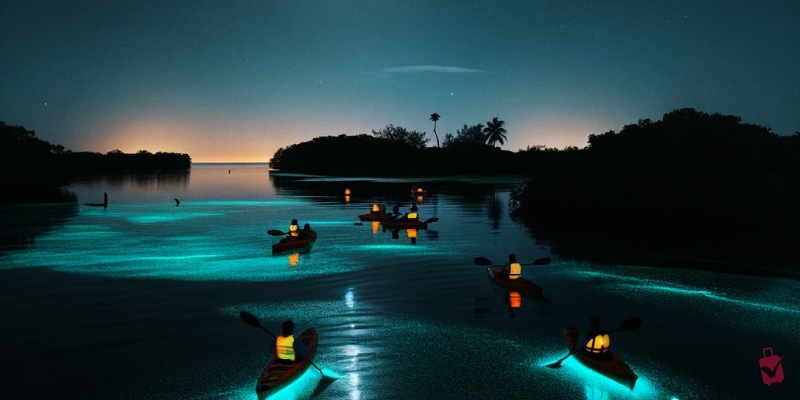
Kayaking at night already felt different, but the first glow in the water changed everything. As I dipped my paddle into the Bay, light formed around it and stretched behind me before disappearing. Each movement created a brief trail, and when I stopped paddling, the water returned to darkness.

I remember trailing my fingers along the surface and watching them light up before going still again. The quiet made every sound noticeable, from the paddle touching water to distant ripples nearby. I became more careful with each motion, aware that my actions were shaping what I could see.

5. Viewing the Region From Above on a Seaplane Flight

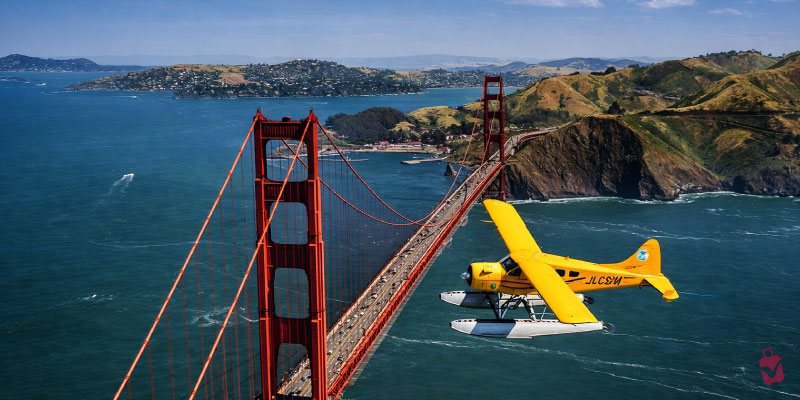
A bright yellow plane flies near the Golden Gate Bridge during scenic seaplane tours offering aerial views of the bay.
Seaplane Tours

The seaplane moved smoothly across the water before lifting gently into the air. As we gained height, familiar places looked different. Bridges stretched cleanly across the Bay, and neighborhoods that felt far apart suddenly appeared close together.

I found myself pointing things out below, recognizing areas I had visited on foot or by car. The view made the region feel connected rather than scattered. By the time we descended, I felt more oriented, as if I had finally seen how the Bay Area fit together as a whole.

6. Ziplining Quietly Through Towering Redwoods

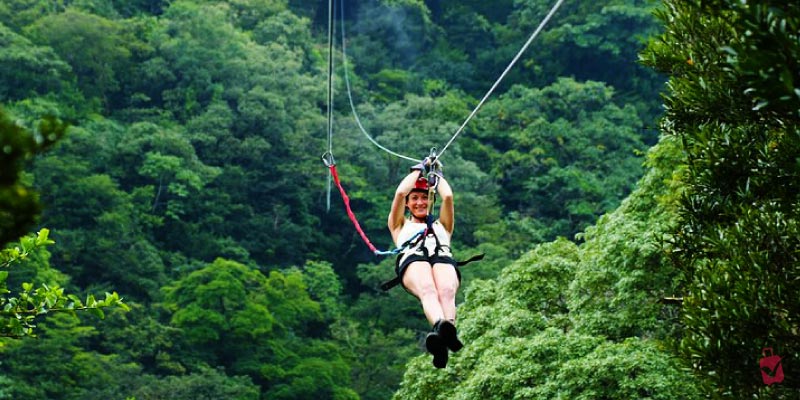
Standing on the platform, I felt the pause that comes right before committing to movement. Once I stepped forward, the line carried me smoothly into the forest. The air felt cooler, and the absence of engine noise made the ride feel quiet despite the speed.

I could hear the wind and distant natural sounds as the trees passed by. Looking out instead of down helped me notice the scale of the redwoods around me. The experience felt controlled and steady, allowing me to focus on the surroundings rather than the mechanics of the ride.

7. Tracking Wildlife on a Point Reyes Safari

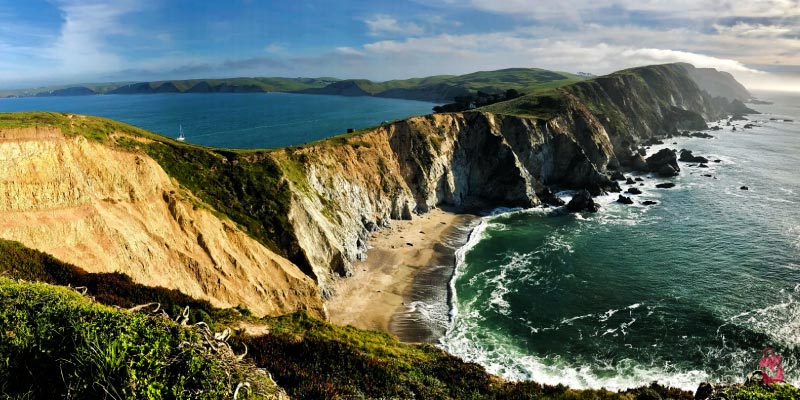
A wide panoramic view of the rugged coastal cliffs and turquoise ocean, typical of a Point Reyes Safari adventure.

As we traveled through Point Reyes, I noticed how my expectations shifted. Instead of searching constantly, I learned to wait. The land opened up in wide stretches, and fog drifted slowly across hills. When animals appeared, it happened naturally and without urgency.

Watching elk move through the landscape felt calm and unforced. The guide explained how the land was managed, which helped me understand why wildlife moved the way it did. The experience felt grounded, shaped by patience rather than planning.

8. Wine Tasting in Castello di Amorosa’s Underground Cellars

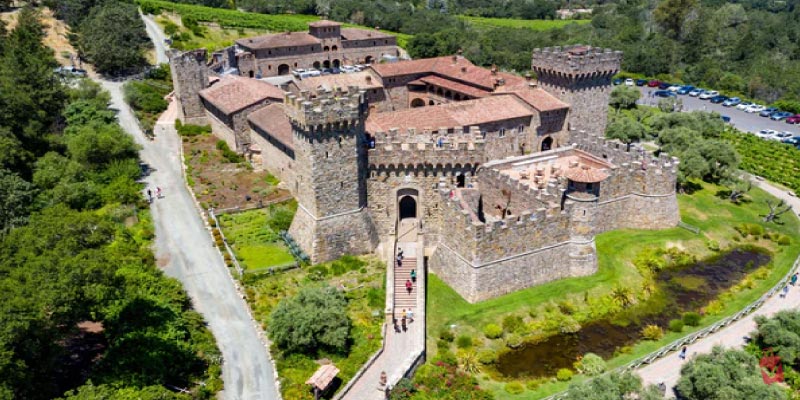
Castello di Amorosa

Inside the castle, the temperature changed noticeably as I moved deeper underground. Stone walls absorbed sound, and the space felt still. Barrels lined the cellar, and tastings were conducted without rushing.

I appreciated seeing where the wine was stored before sampling it, which added a sense of continuity to the experience. Each glass felt connected to the space it came from. The setting encouraged slower movement and more attention to detail.

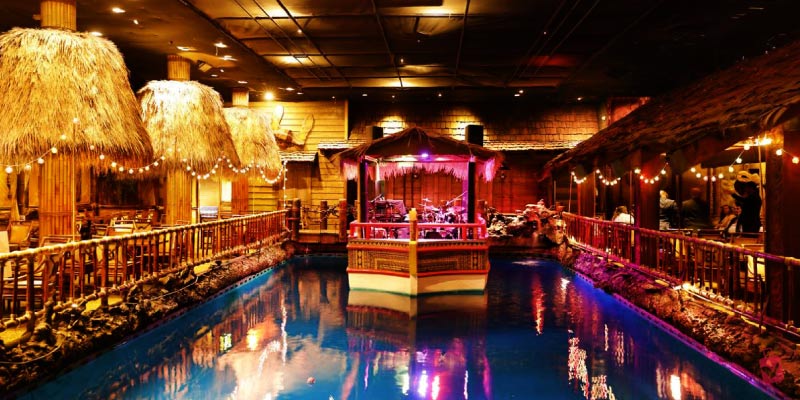
9. Sitting Beneath Indoor Rainstorms at the Tonga Room

The tropical interior of The Tonga Room and Hurricane Bar features a central pool, thatched huts, and island-themed decor.
The Tonga Room & Hurricane Bar

The Tonga Room felt unusual the moment I walked in. Water surrounded the seating area, and lights reflected across the surface. While music played, the room suddenly darkened, and rain began to fall from above.

Thunder followed, and people around me reacted with surprise and laughter. Boats drifted past slowly, adding to the sense that the space operated on its own rhythm. I stayed through more than one storm cycle, curious to see how the room changed each time.

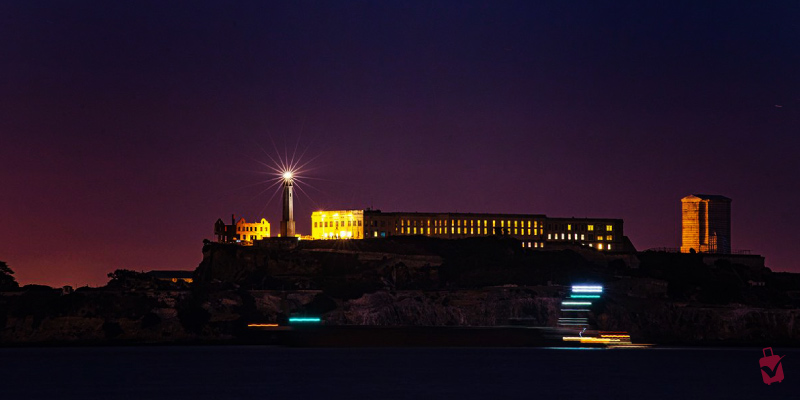
10. Exploring the Silent Cell Blocks on the Alcatraz Night Tour

Alcatraz Night Tour

Arriving at Alcatraz after dark set a different tone before I even stepped inside. The ferry ride felt quieter, and the island looked heavier against the night sky. Inside the prison, recorded voices echoed through corridors as I walked slowly through cell blocks.

I let groups move ahead so I could stand alone in certain spaces. The absence of daylight made the structure feel more imposing, and the stories carried more weight. When I left, the city lights across the water felt distant, and I carried the experience with me long after returning to shore.

Thinking About the Time Before Choosing Stops

Planning matters in the Bay Area because distances and energy levels fluctuate.

Morning works best for physical stops like Seward Street Slides or the Wave Organ. Midday fits reflective indoor experiences such as the mirror maze. Afternoon opens opportunities for water-based or aerial views, depending on conditions. Evening belongs to structured environments like the Tonga Room or Alcatraz.

I do not recommend stacking too many high-intensity experiences. Choose contrast instead.

Final Thoughts

The Bay Area rewards attention more than speed. Many travelers rush through highlights and miss quieter shifts that make a day feel complete. When choosing things to do in the San Francisco Bay Area, I look for moments that change how I perceive space, sound, or scale. That approach has led me to experiences that still stand apart weeks later.

Whether you are searching for free things to do in San Francisco, planning Bay Area weekend activities, or narrowing down fun activities in the Bay Area that feel genuinely distinct, focus on how each stop shapes your awareness. The region does the rest.

FAQs

First-time visitors benefit from combining city locations with nearby destinations. Pairing a San Francisco stop with places like Point Reyes, Napa Valley, or a redwood area helps explain how the region connects while keeping travel time manageable.

Adults often prefer experiences shaped by setting and pacing rather than crowds. Night tours, guided wildlife outings, aerial views, quiet outdoor areas, and controlled indoor environments provide structure, depth, and comfort without feeling rushed or overly busy.

Unique experiences in the Bay Area often focus on sensory shifts rather than famous locations. Listening to wave-driven sound installations, flying over the region by seaplane, visiting underground wine cellars, or observing wildlife patterns outside the city all offer a clear contrast from typical stops.

The best time for outdoor activities in San Francisco is late morning to early afternoon.

Must-see places in the Bay Area include San Francisco’s waterfront and neighborhoods, the Golden Gate Bridge, Alcatraz Island, Muir Woods redwoods, Point Reyes National Seashore, Napa Valley, and key viewpoints around the bay that help explain the region’s scale and layout.


More Related Blogs From Travel Experiences