Atlanta has a lot of history for one city. Civil rights, presidential legacies, Confederate cemeteries, and rebuilt neighborhoods, all within a few miles of each other.
This year, the FIFA World Cup 2026 is bringing a global crowd to the city, and most of them have no idea what’s sitting right outside their hotel. Match days will fill your schedule fast. But Atlanta between matches is a different experience altogether.
The city’s most famous historical landmarks sit close to Downtown and Midtown. Most FIFA visitors are already looking at places to stay near Mercedes-Benz Stadium. From those areas, reaching the landmarks takes little extra effort.
This guide is for visitors who want more than match days. It covers the landmarks, keeps the history clear, and skips the parts that waste your time.
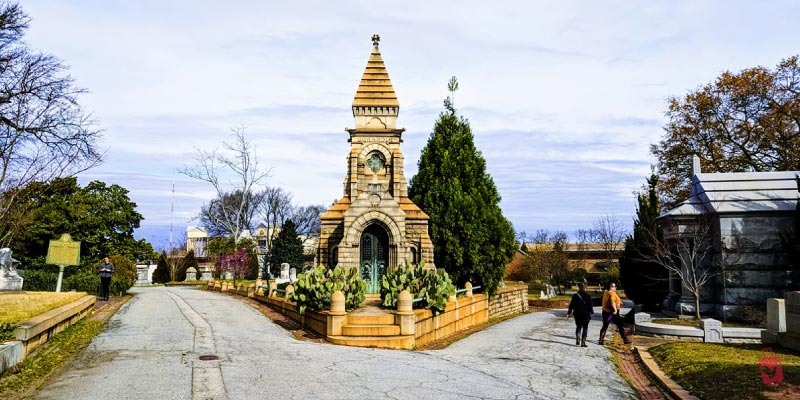
Oakland Cemetery wasn’t an obvious choice for me. At first, I thought a cemetery would be boring, and I know a lot of people skip it. But it was close to downtown and looked like a good spot for a slow morning, so I decided to go. When I arrived, the place felt calm and open. I walked around at my own pace, reading headstones and noticing the different sections.
A small tour group passed by, so I paused and listened a few minutes. That’s when I learned that Oakland was established in 1850, back when Atlanta was still a small railroad town in the southern United States. The guide pointed out the Civil War section where many Confederate soldiers are buried, and I could see how different parts of the cemetery reflect the city’s history over time.
Oakland Cemetery, Atlanta
I spent most of my time just wandering slowly, stopping to look at the graves of prominent city leaders and everyday residents alike. There aren’t a lot of “things to do” here—no rides, no attractions—but that’s exactly what makes it interesting. You get to feel the city’s past quietly, without being rushed. Guided tours are available if you want a deeper story, but for me, walking alone worked best.
Entry Fee: Free to visit. Guided tours are available for a fee throughout the year.
Visiting Hours: Daily from 10:00 AM to 5:00 PM
2. Centennial Olympic Park
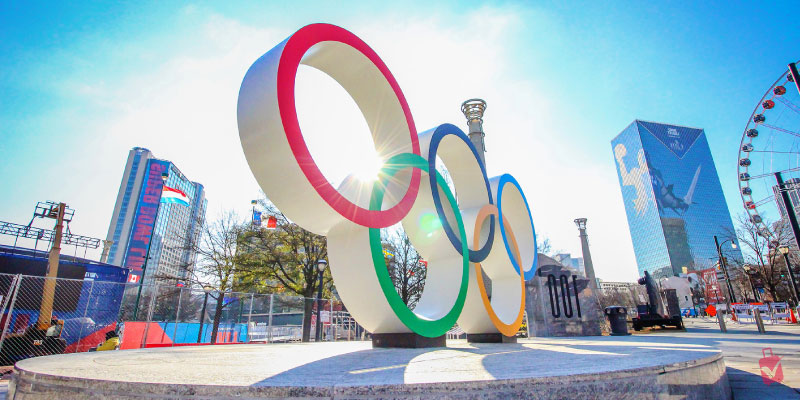
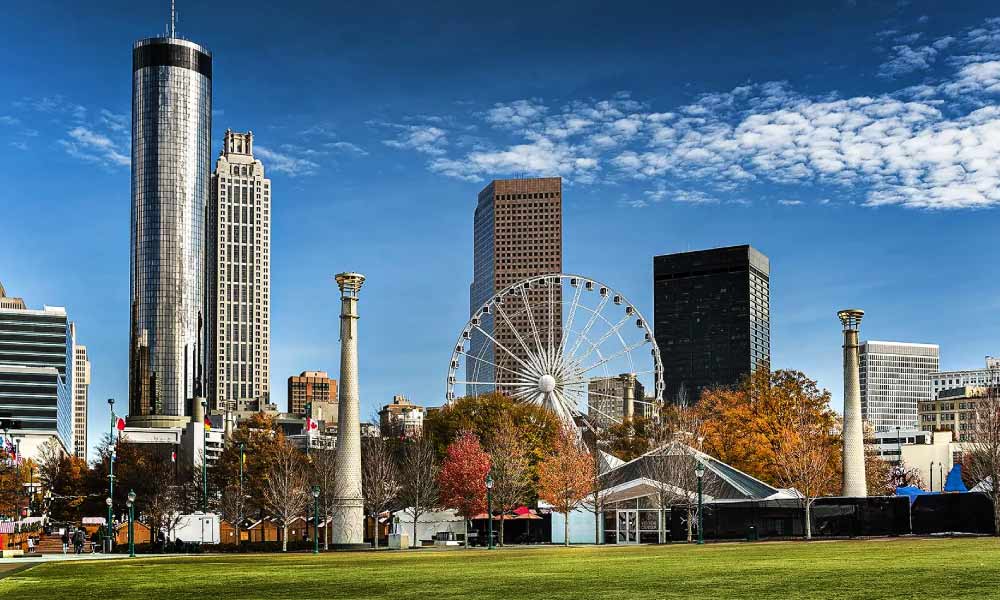
After Oakland Cemetery, I wanted something lighter. I walked over to Centennial Olympic Park, not expecting much beyond a big open space. Once I got there, I realized it’s more than just a park. A small plaque near the fountain explained that the park was built for the 1996 Summer Olympics, part of a downtown redevelopment plan.
I watched people sitting on benches, kids playing near the Fountain of Rings, and groups of tourists passing through. A guide nearby mentioned the Olympic bombing, and I paused to read a little about it. It was sobering, but the park didn’t feel heavy—it just quietly marks the city’s recent history.
Centennial Olympic Park
I spent maybe 30 minutes moving around, reading the signs, and watching the fountain operate. There’s no entry fee, and you can stay five minutes or an hour – it works as a flexible break between stops and fits naturally into a longer list of things to do in Atlanta.
Entry Fee: Free to the public. Admission may be required for certain special events.
Visiting Hours: Daily from 7:00 AM to 10:00 PM.
3. Swan House at Atlanta History Center
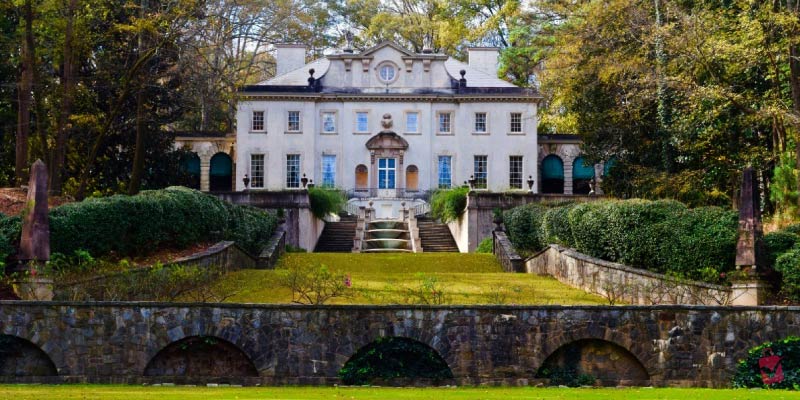
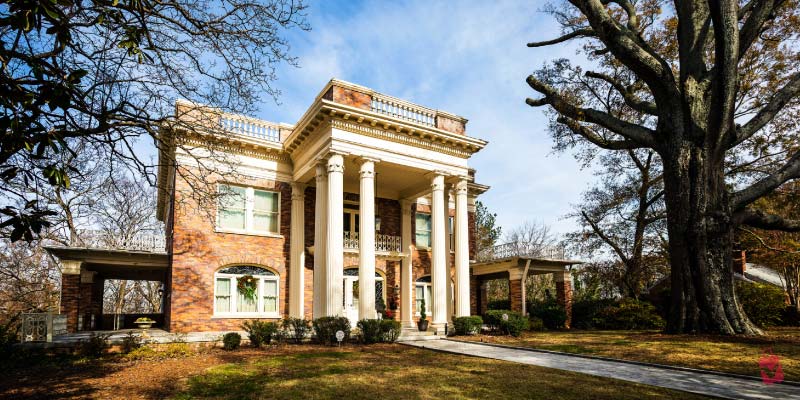
I set aside a morning for Swan House so I could move at my own pace. The house was built in 1928 for Edward Inman, heir to a cotton fortune, and designed by Philip Trammell Shutze. It was intended as a family home that showed refinement rather than flashy wealth.
As I moved from room to room with a small guided group, I noticed how the design emphasized proportion, light, and balance. The guide shared stories about the Inman family, explaining that Edward’s father had been a major figure in Atlanta’s cotton industry, which shaped the city’s economy in the early 20th century.
Swan House at Atlanta History Center
Knowing a bit about that history made the rooms feel more connected to the city’s past. The gardens surrounding the house also have historical significance—they were designed alongside the home and remain much as they were originally planned. Most of my time was spent pausing, observing details, and absorbing the space without rushing.
Entry Fee: Included with general admission to the Atlanta History Center ($21.50 for adults, $18.00 for seniors/students, $9.00 for children).
Visiting Hours: Tuesday to Sunday from 9:00 AM to 4:00 PM (Closed on Mondays).
4. Martin Luther King, Jr. National Historical Park
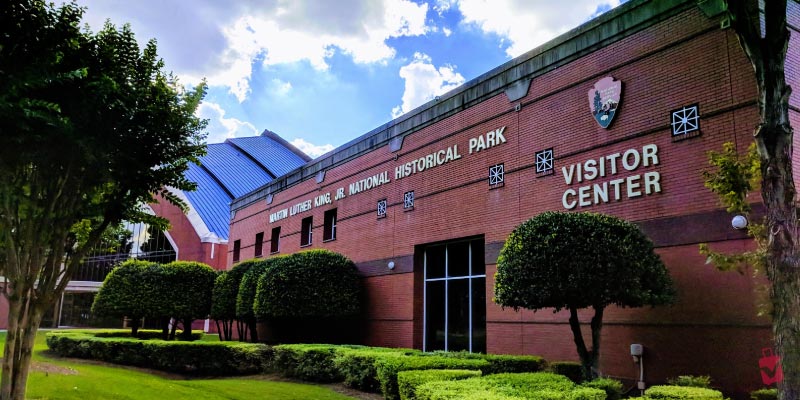
I dedicated a significant part of the day to the Martin Luther King, Jr. National Historical Park. I arrived early to secure a free ticket for the Birth Home tour, which is first-come, first-served. The home itself is modest. As I moved from room to room, I noticed how the simplicity of the house reflected Dr. King’s upbringing.
A ranger explained that he was born here in 1929 and spent his early years in this neighborhood, which was a hub for the Black community in Atlanta during segregation. The tour also highlighted how the area around Ebenezer Baptist Church played a central role in civil rights organizing across the United States.
Martin Luther King, Jr. National Historical Park
Outside, I followed paths past the church and reflecting pool, pausing at markers that explain key moments of Dr. King’s life. I spent a couple of hours absorbing the history and the atmosphere at my own pace, letting the details of his life and work reveal themselves naturally.
Entry Fee: Free to visit. This includes the Visitor Center and museums.
Visiting Hours: Daily from 9:00 AM to 5:00 PM. Note that free tickets for the Birth Home tours are required and distributed on a first-come, first-served basis.
5. The Wren’s Nest
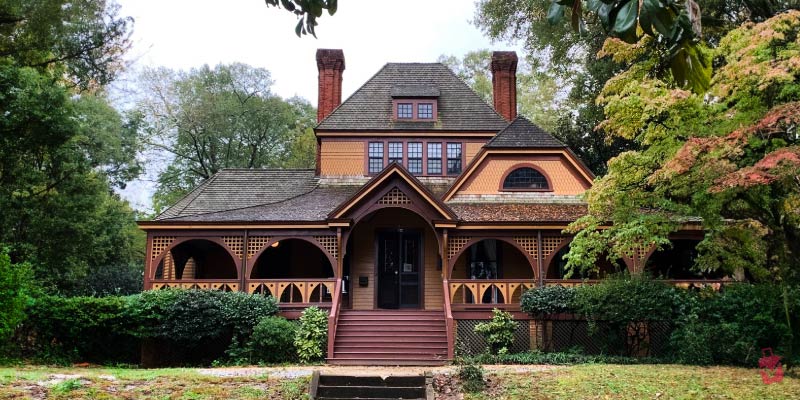
The Wren’s Nest felt like a quieter stop on my Atlanta trip. It’s the former home of Joel Chandler Harris, the writer known for collecting and publishing local stories in the late 1800s. I visited on a Saturday when it was open and joined a small tour.
Moving through different parts of the house, I noticed the furniture, layout, and how the space reflects the middle-class life of that era. The guide shared stories about Harris’ life and the surrounding community, explaining how his writing was influenced by local culture.
The Wren’s Nest
Seeing these details firsthand made the history feel grounded, not just something read on a sign. I spent time pausing in corners, looking at objects, and listening to the stories at my own pace without feeling rushed.
Entry Fee: $12.00 for adults, $10.00 for seniors/students, and $8.00 for children.
Visiting Hours: Open Saturdays only from 11:00 AM to 3:00 PM.
6. Herndon Home Museum
Herndon Home required a bit of planning since it’s only open a few days a week, but the visit was worth it. The house belonged to Alonzo Herndon, who was born enslaved and later became one of Atlanta’s first Black millionaires through the Atlanta Life Insurance Company.
During the guided tour, I moved through the different sections of the house, noticing the original furniture, photographs, and personal belongings of the Herndon family. I saw the formal living area where the family entertained guests, the study where Herndon managed his business records, and the dining space with historical decor that reflected the family’s lifestyle at the time.
Herndon Home Museum
The guide also pointed out details like architectural features, original light fixtures, and artwork that remain from when the family lived there. I also spent time on the porch and around the house’s grounds, which helps tell the story of the neighborhood and the family’s connection to the community.
I could see how Herndon’s personal life and his achievements in business were reflected in these spaces. Moving at my own pace, I took time to read plaques, look at photographs, and imagine how life unfolded here over a century ago.
Entry Fee: $10.00 for adults and $7.00 for seniors, students, and active-duty military.
Visiting Hours: Thursday to Saturday from 9:00 AM to 5:00 PM (Closed Sunday to Wednesday)
Closure
I didn’t try to fit everything into one day. Downtown locations worked well together, while places in residential areas needed separate planning. Oakland Cemetery and the King National Historical Park deserved more time than I expected. Centennial Olympic Park worked best as a flexible stop. Swan House and Herndon Home were easier with tickets, and timing was checked ahead of time.
You don’t need to treat historical locations in Atlanta as a serious project. If you let them fit naturally into your route – between meals, neighborhoods, and even festivals and events in Atlanta, they add depth without slowing the trip down. These historical landmarks in Atlanta, Georgia, work best when they’re part of the journey, not the reason for it.
Some of the key landmarks include Oakland Cemetery, Martin Luther King Jr. National Historical Park, Swan House, Herndon Home Museum, The Wren’s Nest, and Centennial Olympic Park.
Yes, monuments include the statues and memorials at Centennial Olympic Park, markers at Oakland Cemetery, and the memorials within MLK National Historical Park.
Margaret C. Jones, a passionate explorer of North America, captivates readers with her vivid tales on Travelarii’s blog. With a keen eye for hidden gems and local culture, Margaret offers expert advice and unique insights to enhance your travel experience. Her stories bring the diverse landscapes and vibrant cities of North America to life, inspiring readers to embark on their own adventures.