
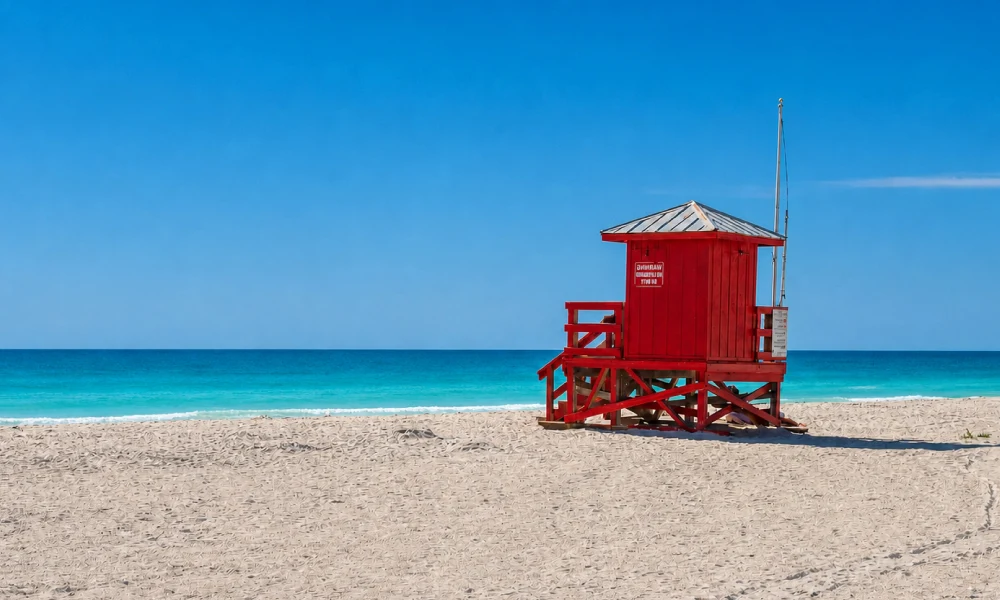
If you’re looking for the perfect balance of great weather and reasonable prices, plan a Florida getaway between March and May. Temperatures are warm without the intense summer heat, humidity is still manageable, and many destinations have not yet reached their peak-season prices.
Another strong option is October and November, when crowds thin out, temperatures become more comfortable, and hotel rates often dip after the busy summer months, making it a good time to compare hotel options.

For travelers focused on saving money, September usually brings some of the lowest prices of the year. The tradeoff is the weather. Expect hot, humid days and keep an eye on tropical storm forecasts.
March tends to hit a sweet spot. Beach towns are active, Gulf Coast water temperatures are comfortable for swimming, and outdoor attractions are running at full pace before the summer rush drives up costs.
This guide breaks down Florida vacation timing by month, by season, and by region so you can book with confidence, whatever your goal.
| Book Hotels Near FIFA WC ’26 Stadiums |
|---|
Table of Content
- Best Time to Visit Florida by Travel Goal
- Understanding Florida's Two Main Seasons
- Best Time to Visit Florida by Season
- Best Time to Visit Each Florida Region
- Price Comparison: When Is the Cheapest Time to Visit Florida?
- What About Hurricane Season?
- Month-by-Month Quick Reference Guide
- Top Tips for Planning Your Florida Vacation
- The Absolute Best Time to Vacation in Florida
- More Related Blogs From Tips & Tricks
Best Time to Visit Florida by Travel Goal
| Your Priority | Best Time to Visit |
|---|---|
| Perfect weather | March–April |
| Avoid crowds | September–October |
| Lowest prices | September (mid-August to early October) |
| Family trip (school-friendly) | June–August or Spring Break (late March) |
| Avoid hurricane risk entirely | December–May |
| Beach weather + calm seas | May or October |
| Theme parks with shorter queues | January or September |
| Wildlife & nature (Everglades) | December–March |
| Florida Keys snorkeling & diving | November–April |
| Cheapest flights + hotels | September |
Understanding Florida's Two Main Seasons
Before diving into the month-by-month breakdown, it helps to know that Florida does not follow the traditional four-season model of the rest of the country. Instead, Florida has two primary seasons: dry and wet.
- Dry season (roughly October–April): Comfortable temperatures, low humidity, minimal rain. This is when most of the state is at its most pleasant.
- Wet season (roughly May–October): Higher heat, high humidity, and daily afternoon thunderstorms. This is also hurricane season.
Florida also stretches more than 400 miles from north to south, so weather can vary significantly between Pensacola in the panhandle and Key West at the southern tip. Keep that in mind as you plan.
Best Time to Visit Florida by Season
Spring (March – May)
Spring is widely considered one of the best times to visit Florida. The brutal summer heat has not yet arrived, the humidity is manageable, and water temperatures in both the Gulf of Mexico and the Atlantic Ocean are becoming warm enough for swimming and water sports.
Weather: Average temperatures range from 70–85°F (21–29°C). April is typically the driest month across most of Florida.
Crowds: Mixed. March brings spring breakers — especially to Miami Beach, Panama City Beach, and Orlando — which can make popular spots very busy and prices higher. However, late April and May calm down significantly.
Prices: Higher during spring break weeks (mid-March to early April), then much more reasonable through May.
Best for:
- Beach trips on the Gulf Coast
- Outdoor activities and nature walks
- Theme parks (especially late April and May, before summer crowds build)
- Couples and families looking for great weather without peak-summer intensity
Key events in spring:
- Gasparilla Pirate Festival (Tampa, late January/February) — one of the largest parades in the country
- EPCOT International Flower & Garden Festival (Orlando, March–May) — a beloved annual event at Walt Disney World
- Miami Music Week / Ultra Music Festival (March) — a massive draw for music fans
- Florida Strawberry Festival (Plant City, late February/early March)
Pro tip: If you can avoid the two to three weeks of peak spring break (typically the week before and after Easter), you will get all the benefits of spring with far fewer crowds.

Summer (June – August)
Florida’s summer is intense. Temperatures regularly exceed 90°F (32°C), and the humidity makes it feel even hotter. The rainy season is fully underway, bringing daily afternoon thunderstorms. That said, summer is also one of the busiest times for family travel — because school is out.
Weather: High heat and high humidity. Daily afternoon storms are common but usually pass quickly within an hour.
Crowds: Very high, especially at Orlando theme parks and Gulf Coast beaches. The Panhandle beaches (Destin, Panama City Beach) are extremely popular with families during summer.
Prices: Summer is peak season for Central and North Florida (Orlando, Tampa, Panhandle). Prices for accommodation and activities can be at their highest. South Florida, on the other hand, sees slightly lower prices during summer since snowbirds have headed home.
Best for:
- Families with school-age children who can only travel in summer
- Water parks and pool-heavy resorts
- Beach vacations (if you plan outdoor time for the mornings and evenings to avoid the afternoon heat)
- Budget-friendly South Florida trips (Miami area has more deals in summer)
Key events in summer:
- Fourth of July celebrations — spectacular fireworks events statewide
- Summer concert series across major Florida cities
- Late-night theme park openings — Disney and Universal often extend hours in summer
Hurricane awareness: Official hurricane season runs June 1 through November 30, with the most active period from mid-August through mid-October. While not every year brings a direct hit, travelers visiting in this window should monitor forecasts, consider travel insurance, and have a flexible cancellation plan.
Pro tip: If you must travel in summer, go early in the morning to outdoor attractions and theme parks, take a midday break indoors, and return in the late afternoon. Also, South Florida can offer surprising value in summer — hotel prices in Miami drop compared to the winter peak.
Fall (September – November)
Fall is one of the most underrated times to visit Florida. The first half of September can still feel very much like summer — hot and humid — but by October, the humidity starts to ease and the weather becomes noticeably more comfortable. By November, most of the state enjoys pleasant warm days and cooler evenings.
Weather: September still feels summer-like in South Florida, but by October and November, temperatures ease into the 75–85°F range across most of the state. Gulf and Atlantic waters stay warm from the summer heat, making it a great time for ocean swimming.
Crowds: Much lighter than summer or winter. You can often walk right into popular restaurants, get shorter lines at theme parks, and find more open beach space.
Prices: September and October tend to have the lowest prices of the year — hotels can run 40–60% below winter peak rates, and rental cars can be 25–40% less expensive than in December through April.
Best for:
- Budget-conscious travelers who want good value without sacrificing quality
- Those who prefer quieter beaches and shorter theme park lines
- Nature lovers — stingray migration in November is a spectacular sight
- Couples looking for a romantic, uncrowded getaway
Hurricane note: September and early October are the statistical peak of hurricane season. Travel insurance is strongly recommended for fall trips. The risk decreases significantly in November.
Key events in fall:
- Key West Fantasy Fest (October) — one of the most unique events in Florida
- Halloween Horror Nights at Universal Studios (September–November)
- EPCOT International Food & Wine Festival (September–November)
- Cedar Key Seafood Festival (October) — one of the oldest seafood festivals in Florida, celebrating 55 years in 2025
- Oktoberfest celebrations statewide (October)
Pro tip: Late October and November offer an excellent combination of good weather, low prices, fewer crowds, and some of the state’s best festivals. This is a particularly smart time for a Disney or Universal trip.
Winter (December – February)
Florida’s winter is when the state truly shines as a destination for people escaping cold weather in the northern United States, Canada, and Europe. South Florida and the Florida Keys experience ideal warm, dry weather during these months.
Weather: Mild and pleasant in South Florida (70s°F during the day). North Florida can occasionally dip into the 40s°F at night, so pack a light jacket if you’re visiting Tallahassee, Pensacola, or Jacksonville. South Florida and the Keys stay comfortably in the 70s°F.
Crowds: Winter is peak season in South and Central Florida. From mid-December through early April, demand surges as visitors escape cold climates. This is sometimes called “snowbird season.” Expect busy beaches, packed restaurants, and higher prices.
Prices: Winter is the most expensive time to visit South Florida. Miami Beach, Key West, Naples, and similar destinations reach their highest rates. Winter hotel prices in Central Florida (Orlando) can be 10–20% lower compared to summer, however, since the main summer crowd driver (families with school-age kids) is not as dominant in winter.
Best for:
- Snowbirds and retirees looking to escape cold winters
- Those who want the mildest, most comfortable weather in the state
- Visits to South Florida, the Keys, Everglades, and Miami
- Spring training baseball (February/March)
Key events in winter:
- New Year’s Eve celebrations in Miami — some of the most spectacular in the country
- Gasparilla Pirate Festival in Tampa (late January/February)
- Art Basel Miami Beach (December) — world-famous art fair
- Florida State Fair (Tampa, February)
- Daytona 500 (February) — the most famous NASCAR race in the world
Pro tip: Book winter trips to South Florida at least 3–4 months in advance. Good accommodations sell out quickly, especially around the holidays and in February/March.
Best Time to Visit Each Florida Region
Florida is a large, diverse state. The “best time” differs significantly depending on where you are headed.
South Florida (Miami, Fort Lauderdale, Naples, Everglades)
Best time: December through April
South Florida sees its highest demand — and highest prices — during the winter months when snowbirds and international visitors arrive. The weather is warm and dry, making it ideal for outdoor exploring, beach time, and visiting the Everglades. Summer is actually the off-peak season here, which means lower prices, but higher heat and humidity.
The Florida Keys
Best time: December through May
The Keys experience their driest period from December to May, making winter and early spring the prime season. Boating, snorkeling, and diving are at their best during these months. Summer brings heat and the possibility of tropical storms, though budget-minded travelers can find deals.
Orlando (Theme Parks)
Best time: January–February and September–October (excluding school holidays)
If your main goal is to spend less time waiting in lines, the best time for theme parks is during the school year when children are back in class. January and February (after New Year’s) and September–October (after Labor Day) tend to have the lowest crowd levels. The holiday season (Thanksgiving through New Year’s) and summer are the busiest and most expensive periods.
Gulf Coast (Tampa, Sarasota, Fort Myers, Naples)
Best time: March through May and October through November
The Gulf Coast’s famously calm, clear waters and white sand beaches are most enjoyable in spring and early fall when the heat is not extreme and the summer crowds have thinned. Summer is busy here with beach-going families, while winter draws the snowbird crowd.
Florida Panhandle (Destin, Pensacola, Panama City Beach)
Best time: April through June and September through October
Unlike South Florida, the Panhandle follows a more traditional “summer is peak season” pattern. The beaches are among the most beautiful in the country, with stunning white quartz sand and emerald-green water. Spring and early summer offer warm water and good weather before the intense heat and heaviest crowds of July and August set in. Fall is underrated here for its calmer beaches and lower prices.
Northeast Florida (Jacksonville, St. Augustine, Amelia Island)
Best time: March through May and October through November
St. Augustine — the oldest city in the United States — and the surrounding area are lovely year-round, but spring and fall offer the most comfortable weather for exploring the historic streets and beaches. Summer can be very hot and humid, while winter is mild and popular with visitors.
Price Comparison: When Is the Cheapest Time to Visit Florida?
Here is a general overview of how prices shift across the year:
| Season | South Florida | Central Florida (Orlando) | Panhandle Beaches |
|---|---|---|---|
| Winter (Dec–Apr) | Most expensive | Moderate | Lower (off-season) |
| Spring Break (mid-Mar–Apr) | Very high | High | High |
| Summer (Jun–Aug) | Lower (off-season) | Most expensive | Most expensive |
| Fall (Sep–Nov) | Lowest prices | Low to moderate | Moderate |
The key takeaway is that Florida does not have a single “cheapest” season — it depends entirely on which region you are visiting. Winter peak season in Miami is summer off-season pricing in Orlando, and vice versa.
Overall, September and October tend to offer the lowest prices statewide, with hotels running significantly below winter peak rates and rental cars similarly discounted. The trade-off is that you are still in hurricane season territory, so travel insurance is a must.
What About Hurricane Season?
Hurricane season in Florida officially runs from June 1 through November 30. The most active period is from mid-August through mid-October, with the statistical peak occurring around September 10.
This does not mean you should automatically avoid Florida during these months. Most years, the majority of Florida’s coastline is unaffected. However, the risk is real enough that you should:
- Buy travel insurance that includes hurricane and weather-related cancellations
- Monitor weather forecasts closely in the week before your trip
- Choose accommodations with flexible cancellation policies
- Know the evacuation zones of wherever you are staying
The safest months for hurricane-free travel are December through May, when the risk of tropical storms is essentially zero.
Month-by-Month Quick Reference Guide
| Month | Weather | Crowds | Price Level | Best For |
|---|---|---|---|---|
| January | Mild, dry | High (South FL) | High (South FL), Low (Orlando) | South Florida snowbirds, quiet theme parks |
| February | Mild, dry | High (South FL) | High | Spring training, Gasparilla Festival |
| March | Warm, dry | Very high (spring break) | High | Early month: great weather; avoid spring break weeks |
| April | Warm, driest month | Moderate | Moderate | Best all-round month for most travelers |
| May | Warm, slightly wetter | Low to moderate | Moderate | Excellent value; pre-summer crowds |
| June | Hot, humid, afternoon storms | High | High (families) | Families; morning beach time |
| July | Hottest month | Very high | Highest | Families; July 4th celebrations |
| August | Hot, humid | High | High | Late month: back-to-school deals beginning |
| September | Still hot early; easing mid-month | Low | Lowest | Best value; hurricane risk high |
| October | Comfortable by mid-month | Low | Low to moderate | Excellent all-round; great festivals |
| November | Comfortable, warm | Low to moderate | Moderate | Fantastic month; Keys and South FL pick up |
| December | Mild to cool (North FL) | High (South FL) | High | South FL, Keys; holiday events in Orlando |
Top Tips for Planning Your Florida Vacation
1. Book early for winter and holiday trips South Florida in winter and Orlando during the holidays fill up months in advance. Booking 3–4 months ahead is not just helpful — for peak weeks, it’s practically required.
2. Be flexible with your dates Even shifting your trip by a week or two can translate to dramatically different prices and crowd levels. Avoid major school holidays and public holidays if you can.
3. Know the difference between regions South Florida and North/Central Florida essentially have opposite peak seasons. A great deal in one part of the state may mean miserable heat and humidity — or it may mean exactly what you want.
4. Consider travel insurance, especially in summer and fall Hurricane season is a real consideration. Travel insurance that covers weather disruptions gives you peace of mind and protects your investment.
5. Plan outdoor activities for the morning Regardless of when you go, Florida can get hot by midday. Doing outdoor activities, beach trips, and theme park touring in the morning hours gives you the best experience.
6. Look beyond the obvious destinations While Miami, Orlando, and the Keys get most of the attention, places like St. Augustine, Sarasota, Amelia Island, Cedar Key, and the Panhandle towns offer beautiful experiences with fewer crowds, especially during shoulder seasons.
The Absolute Best Time to Vacation in Florida
If you can only pick one window of time, April and November are the two standout months for most travelers visiting Florida.
April gives you the tail end of dry season, the warmest and most pleasant weather before summer arrives, the driest conditions in the state, and crowds that have calmed down after spring break. It works beautifully for beaches, theme parks, nature, and city exploring.
November gives you post-hurricane-season safety, comfortable temperatures, dramatically lower prices than the coming winter peak, and some of Florida’s best festivals. It is particularly wonderful for the Gulf Coast, the Everglades, and the start of the Keys season.
If your schedule forces you into a different window, this guide has given you the tools to make the smartest possible choice for your specific destination, budget, and travel style. Every season in Florida has something to offer — it’s all about knowing what you’re signing up for.
More Related Blogs From Tips & Tricks

Miami International Airport to South Beach



Margaret C. Jones
Margaret C. Jones, a passionate explorer of North America, captivates readers with her vivid tales on Travelarii’s blog. With a keen eye for hidden gems and local culture, Margaret offers expert advice and unique insights to enhance your travel experience. Her stories bring the diverse landscapes and vibrant cities of North America to life, inspiring readers to embark on their own adventures.