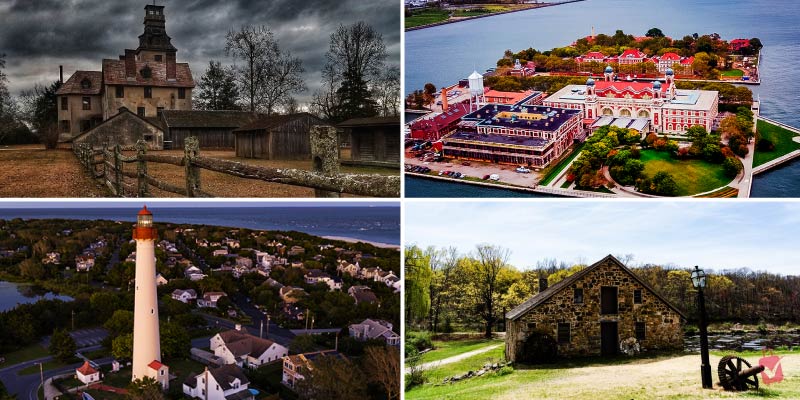
I went into New Jersey expecting a simple checklist of museums and war fields. Instead, I ended up following traces of life, struggle, mistakes, hope, faith, daily routine, and quiet endurance. What surprised me most was how close these places still feel to real life.
None of them sits far from humanity. They sit inside towns, by rivers, near roads people still use. And everywhere I went, history did not feel distant. It felt like something you could almost overhear if you listened carefully enough.
For anyone planning things to do in New Jersey, these heritage sites offer experiences that go beyond the usual sightseeing checklist.
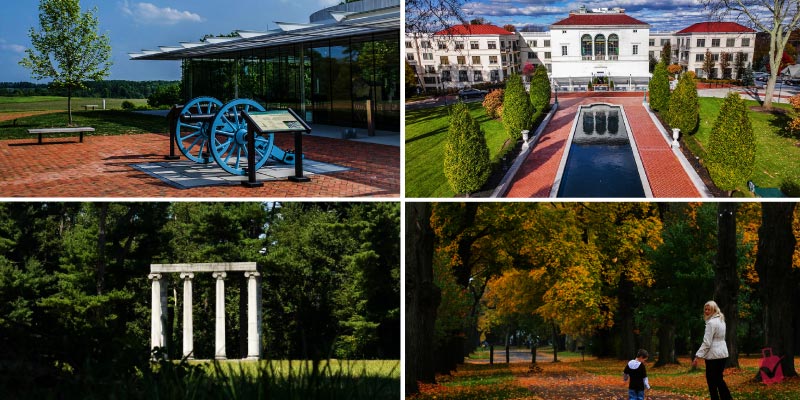
Before visiting, the phrase Battlefield Heritage Sites felt formal and almost predictable. What I found instead were landscapes that still hold emotion. Standing there, I did not feel grand heroism. I felt exhaustion, fear, determination, and many silent moments that never make it into textbook summaries.
1. Monmouth Battlefield State Park
Walking across Monmouth feels peaceful now, but once you learn what really happened here, the calm becomes strange. The day of the battle was brutally hot. Many soldiers collapsed from heat, not enemy fire. Standing under the sun, I could imagine bodies struggling to breathe while officers tried to keep lines steady.
I expected a clear narrative of victory and bravery. What surprised me was how human it was. Soldiers battled the weather, fatigue, confusion, and orders that did not always make sense. The story here is not only about winning. It is about surviving a day that punished everyone on the field.
2. Princeton Battlefield State Park
Princeton sits close to neighborhoods and ordinary streets. That alone surprised me. One of the most decisive moments of the war took place in what now feels like familiar space. I had always heard the story of Washington leading troops here, but it sounds different when you are actually there at Princeton Battlefield State Park.
It did not feel like a neat heroic tale. It felt risky and desperate. The battlefield is not massive. When you stand on it, you realize how quickly everything must have unfolded. A small stretch of land marked a turning point for an entire war.
3. Washington Crossing State Park
I grew up with the image of Washington crossing the Delaware as something symbolic and confident. Standing beside the river at Washington Crossing State Park changed that image completely. The water is wide, the current is serious, and the winter cold here is not mild. This was not a ceremonial moment. It was a gamble. They crossed at night. They carried uncertainty alongside weapons.
When I stood there, I caught myself imagining quiet voices, tired breathing, and the simple hope that the plan would not fall apart. That sense of vulnerability surprised me most, much like the unexpected energy found at New Jersey Festivals, where history and local life intersect in surprising ways.
4. Morristown National Historical Park
Morristown does not tell the story of one dramatic event. At Morristown National Historical Park, it tells the story of staying put and enduring. This was one of the harshest winters of the entire war — colder than places everyone usually talks about.
Soldiers lived with limited supplies, smoke from fires that barely warmed their shelters, and a constant awareness that quitting might have been easier than staying.
Walking through preserved quarters, I stopped thinking about glorious revolution stories and started thinking about hunger, patience, and waiting for a difficult season to end. It is a powerful reminder that history is not always loud. Sometimes it is simply stubborn.
New Jersey Early Trade Route Landmarks
Before highways and modern transport, New Jersey was already busy with movement. Ships, goods, people, and decisions traveled through it constantly. What surprised me across these sites is how active life once was here, long before the idea of the United States was fully formed.
1. Perth Amboy
Standing along the Perth Amboy waterfront, it felt strange to think about how influential this place once was. It was not just a port. It was political, social, and economic all at once. The Royal Governor lived here. Decisions with real consequences were shaped here.
Today, the water feels calm, but it once carried authority, fear, hope, and control across the region. I did not expect to find such a strong reminder that New Jersey was not a side note in early colonial life. It was a driver.
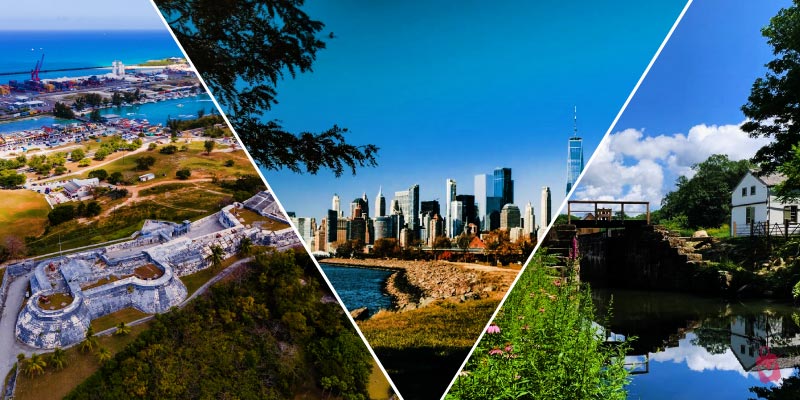
2. The Morris Canal
When I first learned about the Morris Canal, I expected a normal old water route. Instead, I found an engineering experiment that actually worked. This canal did not simply move boats across flat water. It moved them across dramatic elevation changes using inclined planes.
Boats were lifted. Entire journeys shifted upward and downward like moving on a staircase of water. Standing near parts of the route, I kept thinking about how ambitious that idea was for its time. It shows a kind of quiet boldness that shaped early industry.
3. Fort Nassau
Fort Nassau feels like a reminder that history here did not start with the Revolution. Europeans were competing for this land long before the independence debates began. The Dutch built this fort near what is now Camden as part of an early push for trade control.
When you imagine soldiers and traders standing here centuries ago, it feels like a completely different world yet strangely connected to the modern state sitting around it today.
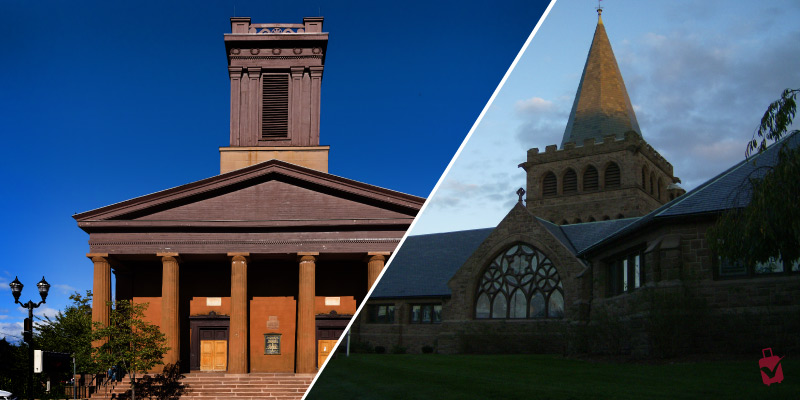
Of all the places I visited, I did not expect churches and cemeteries to feel so powerful. They do not shout for attention. They simply hold time.
1. Old Bergen Church
Old Bergen Church carries stories quietly. It is one of the oldest congregations in the state, and the cemetery beside it feels like a book written in stone. Generations stayed, prayed, buried, mourned, returned, and continued life here. What surprised me was how steady it feels. This place was not built for spectacle. It was built to hold a community together for centuries, and somehow, it did.
2. First Presbyterian Church of Elizabeth
This church feels like a meeting point for faith, education, and influence. Important figures passed through here. Conversations that shaped early communities happened nearby. The burial grounds remind you how long people have been rooted here. Standing among the stones, New Jersey’s past stops feeling like distant history and starts feeling like personal story after personal story layered together.
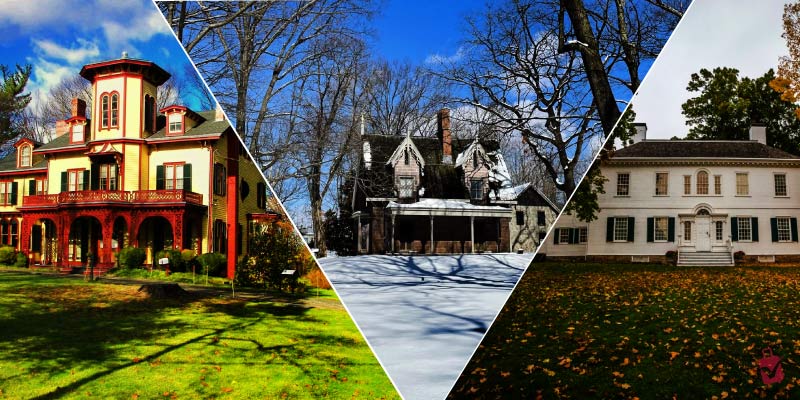
Historic Homes and Estates in New Jersey
Homes do something battlefields cannot. They show where big decisions shared space with daily life. Kitchens, stairs, sitting rooms, and meeting spaces all existed together.
1. The Hermitage
The Hermitage surprised me because history here does not feel staged. It feels personal. Influential figures visited. Political thought blended with personal routine. The house carries a sense of conversation and movement that once changed larger events while still being someone’s home. It makes power and politics feel smaller and more human.
2. Ford Mansion
Ford Mansion once became the headquarters during one of the hardest winters of the war. When you stand inside, it is easy to imagine rooms filled with arguments, maps, hurried discussions, and doubt. It also still feels like a home where people once tried to simply live. That overlap between war strategy and normal life stayed with me long after leaving.
3. Acorn Hall
Acorn Hall tells a quieter story, one about families and preservation. The surprising part here is how deliberate the choice to protect history was. People did not simply let the past disappear. They fought to keep records, buildings, and identity safe for future generations. This house is proof that remembering is not accidental. It takes effort.
Heritage Tourism Locations in New Jersey
Some of the most meaningful places I visited were not single monuments but entire environments that still hold memories.
1. Batsto Village
Batsto Village feels like a preserved lesson on early industry. Iron production, glasswork, and community life once shaped this place. What surprised me was how complete it still looks. You can walk through it and genuinely picture daily life without needing too much imagination.
2. Waterloo Village
Waterloo feels layered. It has traces of Native American presence, colonial settlement, canal history, and rural community life. It is rare to find so many eras resting inside one place. Walking through it feels like shifting through different chapters of New Jersey history without leaving one location.
3. Ellis Island
Seeing Ellis Island from the New Jersey side feels different. Inside the building, you can almost feel the weight of the choices people made inside these walls. Families changed direction here. Entire futures began or turned uncertain here. It is not only a national symbol. It is personal for millions of people whose lives started on the other side of those doors.
4. Lighthouses in New Jersey
The lighthouses surprised me because they are both practical and symbolic without trying to be emotional. They kept ships safe. They guided trade and travel. Many of them still stand, not as decorations, but as reminders of how essential they once were to survival and connection.
Closer
Traveling through historical landmarks in New Jersey changed my understanding of the state completely. Instead of a place people drive through on their way to somewhere else, it became one of the most layered places I have experienced. War, trade, faith, community building, innovation, immigration, and everyday life all left marks here. Standing in these places does not feel like visiting a museum. It feels like quietly entering a story that still continues.
Paterson Great Falls powered one of America’s earliest planned industrial cities. Water power fueled mills, manufacturing, and innovation, making Paterson a cornerstone of American industrial development.
Popular places include Princeton, Morristown, Cape May, Liberty State Park, Ellis Island access, Paterson Great Falls, Batsto Village, and New Jersey lighthouses. Many travelers also explore beaches and boardwalk towns.
Costs vary by area. Northern New Jersey near New York City is generally higher priced. State parks, historic sites, and smaller towns are typically affordable, with many locations offering free or low-cost entry.
Some sites are free, others require tickets or guided tours. National parks, museums, and certain preserved homes usually have small admission fees or timed entry.
Yes. There are beaches, state parks, zoos, aquariums, historical villages, museums, and easy day trip opportunities. Many sites are educational and engaging for children.
Margaret C. Jones, a passionate explorer of North America, captivates readers with her vivid tales on Travelarii’s blog. With a keen eye for hidden gems and local culture, Margaret offers expert advice and unique insights to enhance your travel experience. Her stories bring the diverse landscapes and vibrant cities of North America to life, inspiring readers to embark on their own adventures.