Houston’s history is woven into its streets, buildings, and public spaces. From the battlefield that secured Texas independence to historic estates and civic centers, the city’s landmarks tell a story of growth, resilience, and transformation.
The iconic historic sites in Houston, USA highlighted here capture different moments in time, revealing how communities, families, and individuals shaped the city over centuries. Each location offers a clear snapshot of the past, providing insight into Houston’s development, its architecture, and its social and cultural evolution.
This is Houston’s history, presented through the places that have stood the test of time, still speaking to the city’s identity in 2026. For those planning a visit, exploring these landmarks is among the must-see things to do in Houston.
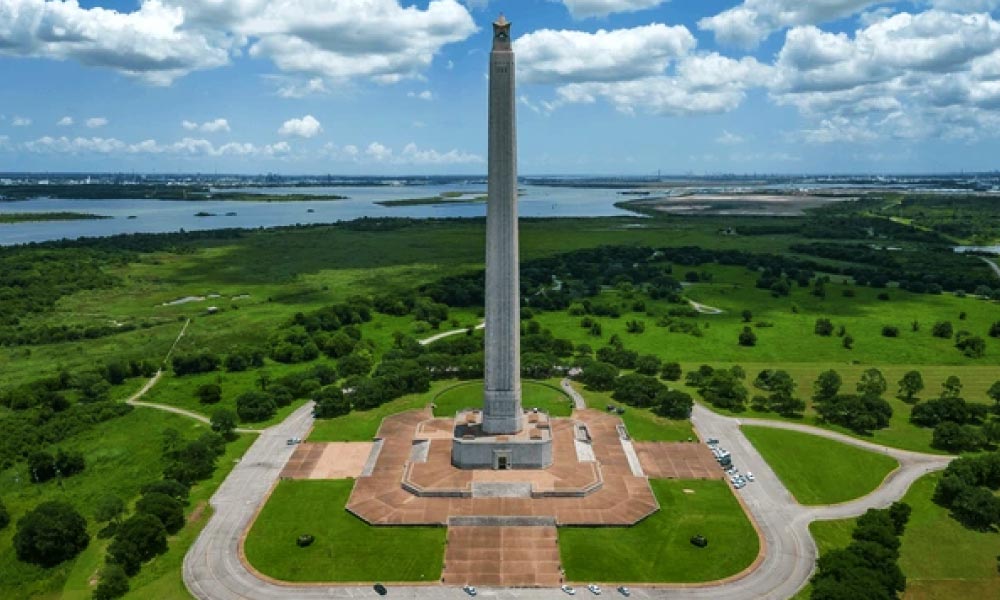
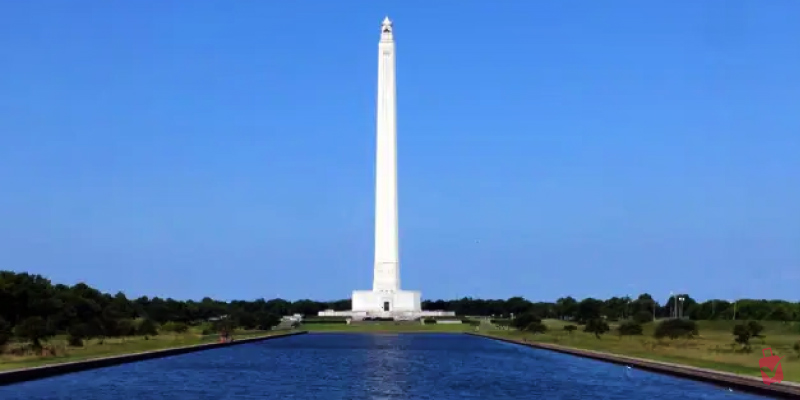
The San Jacinto Museum of History sits proudly at the San Jacinto Battleground, marking the site of the battle that decided Texas’ independence from Mexico in 1836. In 1938, George A. Hill Jr., whose family had strong ties to the battlefield, took the lead in organizing the museum.
He had been carefully collecting Texas documents, relics, and maps for more than 25 years, aiming to create a space that would vividly tell the story of Texas history. The museum opened officially in April 1939, with exhibits arranged chronologically—from the first Europeans in the early 1500s through the Civil War era.
Over the years, the museum has thoughtfully expanded, adding multimedia displays and special exhibits that give visitors a deeper sense of the Battle of San Jacinto and its lasting impact.
San Jacinto Museum
Visitors can stroll through galleries filled with artifacts, rare maps, and personal items of key historical figures. The museum’s Observation Floor offers a sweeping view of the battleground, making the history feel both tangible and immediate. Even during challenges like World War II or minor hurricane damage, the museum has resiliently preserved Texas’s heritage.
Address: 3523 Independence Parkway, La Porte, TX 77571
Opening hours: Daily 9:00 AM to 5:30 PM
Ticket details:
Adults $14
Children (4 to 11) $6
Children under 4 Free
Seniors (65+) $10
Active Duty Military $10
Veterans $10
Members Free
School Groups $5
Senior/Adult Groups $10
2. Sam Houston Park
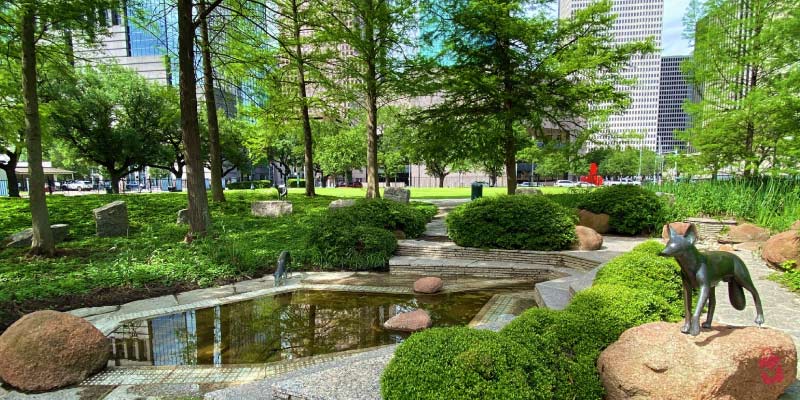
Sam Houston Park is a charming historic park tucked into downtown Houston. Established in 1899, it preserves several buildings that showcase life in the city from the early 1800s through the early 1900s. Among its treasures are the Kellum-Noble House, the Nichols-Rice-Cherry House, and the Pillot House, each carefully restored to reflect its original character.
The Heritage Society oversees the park, offering guided tours and educational programs that bring the stories of early Houston residents vividly to life. Visitors can learn about freed slaves starting new lives, immigrant families contributing to the city, and the merchants and pioneers who shaped Houston’s development.
Sam Houston Park
Scattered around the park are notable monuments and sculptures, including the Alexander Hodge Memorial, the Armillary Sphere, the Neuhaus Fountain Coyotes, and the USS Houston Monument. These works quietly commemorate historical events and figures, making the park a living tribute to Houston’s past. The open green spaces, shady paths, and historic structures combine naturally to create a peaceful and reflective experience.
Address: 1000 Bagby Street, Houston, TX 77002
Opening hours: Daily 7 AM–9 PM
Ticket details:
Access to the park grounds is free
Guided tours of the historic houses are $15 per adult
3. 1940 Air Terminal Museum
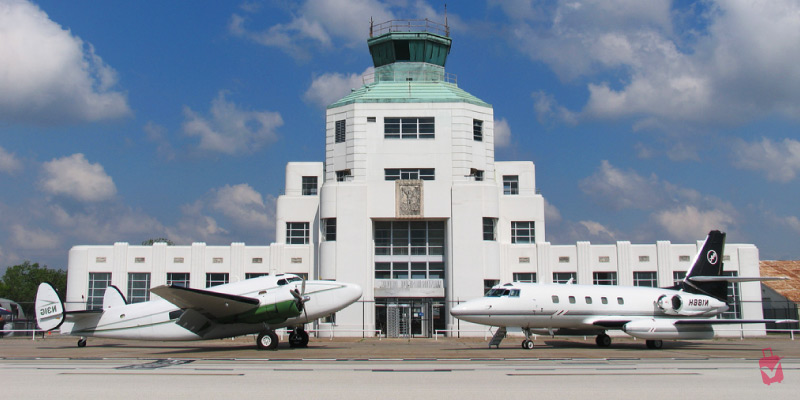
The 1940 Air Terminal Museum is located in a stunning Art Deco building designed by Houston architect Joseph Finger. The terminal opened on September 28, 1940, and for fifteen years served both as the airport terminal and control tower. During that period, air travel grew remarkably, from fewer than 100,000 passengers in its first year to nearly a million by 1954.
After airport operations moved to a new terminal, the 1940 building slowly fell into disuse and was abandoned in 1978. Today, the museum has been carefully restored, allowing visitors to appreciate the elegance of early aviation architecture while learning about Houston’s aviation history
1940 Air Terminal Museum
Just up the street, the Municipal Hangar WR-4 quietly holds historic aircraft. Built soon after the airport opened in 1928, the hangar once served as a maintenance hub for air mail planes and Eastern Air Lines. Now, it provides a sheltered space for the museum’s collection, giving visitors a fascinating glimpse of the city’s aviation past.
Address: 1020 N. Main Street, Houston, TX 77009
Opening hours:
Tuesday through Sunday 10:00 AM to 5:00 PM
Closed Monday
Ticket Details:
Adults $10
Children $5
Children 2 and under are free
Museum members, U.S. Military, Police, and Firefighters Free
4. Glenwood Cemetery
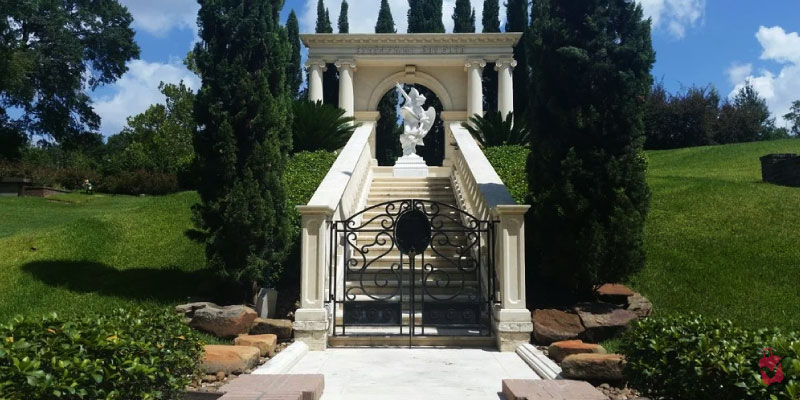
Glenwood Cemetery is one of Houston’s oldest and most important historic sites. Established in 1871 by the Houston Cemetery Company, it opened in the summer of 1872 on a naturally rolling landscape leading down to Buffalo Bayou.
Glenwood was Texas’ first rural garden cemetery, carefully designed with winding roads and pathways that create a gentle, contemplative atmosphere. The first burial took place in June 1872, and over time, the cemetery became a cherished space where Houstonians could thoughtfully enjoy the grounds and reflect on the city’s past.
During the 1880s, new rules, a permanent trust fund, and an engineered map of the grounds were added to guide visitors respectfully. Fountains, greenhouses, and elegant entrance bridges further enhanced the charm of the cemetery.
Glenwood Cemetery
Glenwood is home to many notable graves, monuments, and memorials. Its grounds are protected with security, and visitors are welcome to move carefully and appreciate the quiet beauty of the area.
Address: 2525 Washington Avenue, Houston, TX 77007
Office Hours: Monday through Friday, 8:00 AM to 4:30 PM (closed on holidays)
Ticket Details:
Access to the cemetery grounds is free
Guided tours and special events may have separate pricing
5. George Ranch Historical Park
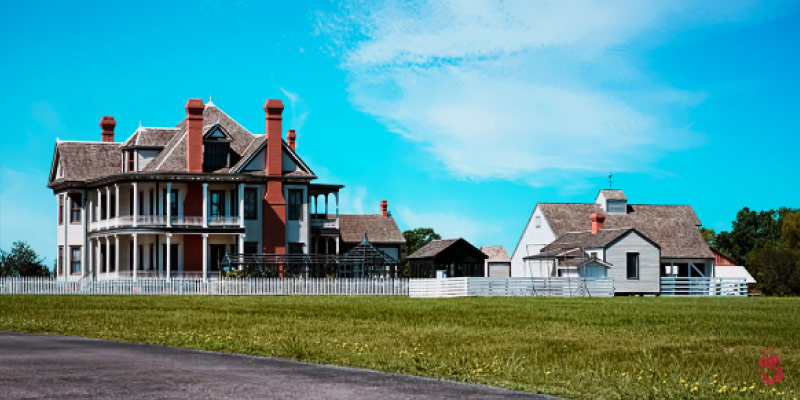
George Ranch Historical Park warmly invites visitors to step into a lively snapshot of Texas history. Originally established in 1990, the ranch spans 475 acres and now proudly welcomes over 25,000 students every year.
The Historic George Ranch Association, formed in 2024, manages the ranch thoughtfully, ensuring educational programs and tours run smoothly. The ranch’s story begins in 1824 when Henry and Nancy Jones, members of Stephen F. Austin’s “Old 300,” received land along the Brazos River.
George Ranch Historical Park
Today, the 20,000-acre working ranch continues to teach visitors about pioneer life in Texas, beautifully presenting over 100 years of history. Through interactive tours and hands-on experiences, guests enjoy the legacy of a single family while learning about the larger story of the region.
Address: 10215 FM 762, Richmond, TX 77469
Opening hours:
General Public: Saturdays 9:00 AM to 5:00 PM, year-round
School Holidays: Same hours
Summer (May 27–Aug 2): Tuesday–Friday 9:00 AM to 2:00 PM, Saturday 9:00 AM to 5:00 PM
Closed: New Year’s Day, Thanksgiving Day, Christmas Eve, Christmas Day
Ticket Details:
Adults (13–64) $16
Seniors (65+) $13
Children (4–12) $11
Children 3 and under Free
Active-duty military and veterans: Free for up to three family members, with a 50% discount for accompanying members
6. Bayou Bend Collection and Gardens
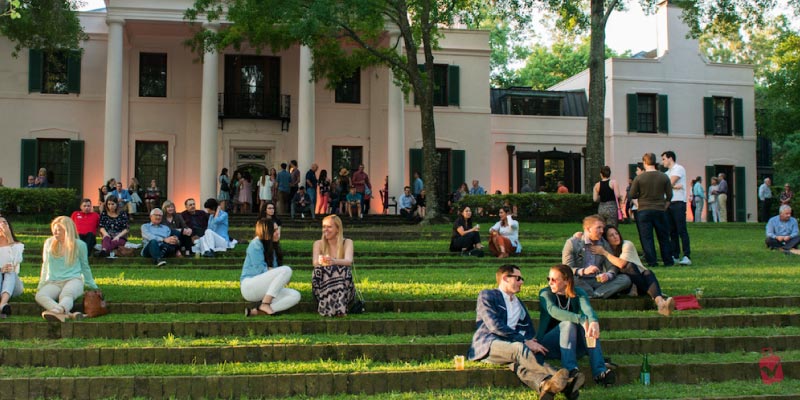
ayou Bend, the former estate of Ima Hogg, now hosts the Bayou Bend Collection and Gardens of the Museum of Fine Arts, Houston. The 14-acre property, located at 6003 Memorial Drive, features a 24-room house built from 1926 to 1928, with gardens designed by Houston landscape architects.
Bayou Bend Collection and Gardens
Ima Hogg filled the home with 17th–19th century American furniture, art, and decorative objects. In 1956, she offered the estate to the Museum of Fine Arts, which opened it to the public on March 5, 1966.
Bayou Bend includes:
The House Museum: 28 rooms of American decorative arts and paintings.
Gardens: East Garden, Diana Garden, and North Terrace are meticulously maintained.
Education: The Lora Jean Kilroy Visitor and Education Center and the Kitty King Powell Library support programs for children, families, and researchers.
Address: 6003 Memorial Drive, Houston, TX 77007
Opening hours:
Sunday 1:00 PM – 5:00 PM
Monday CLOSED
Tuesday CLOSED
Wednesday–Friday 10:00 AM – 5:00 PM
Saturday 10:00 AM – 5:00 PM
Ticket Details:
MFAH Members Free
Adults (19+) $24
Seniors (65+ with ID) $20
Teens (13–18) $20
Children (12 & under) Free
7. Christ Church Cathedral
Christ Church Cathedral in Houston is the cathedral for the Episcopal Diocese of Texas. Established in 1839, when Texas was still an independent republic, it’s Houston’s oldest congregation and one of the oldest non-Roman Catholic churches in the state.
Over the years, many local Episcopal churches were founded as missions of Christ Church, including Trinity Church in 1893. The first Episcopal clergy to preach in Houston was Reverend Richard Salmon, who visited in 1838. At the time, church meetings were held in the Texas Capitol Building, as no formal churches existed yet.
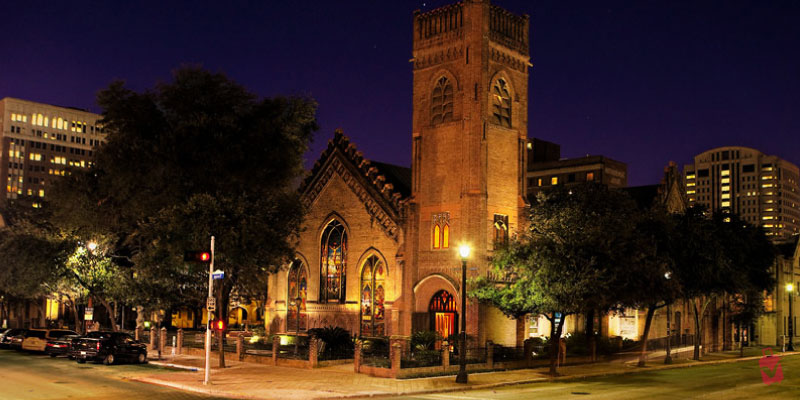
Christ Church itself was officially founded on March 16, 1839, by William Fairfax Gray, a lawyer from Fredericksburg, Virginia. The congregation quickly grew, and the first permanent Gothic-style church, built in 1847 with red brick and a steeple, was already full within ten years.
Christ Church Cathedral
By 1893, the current church building at 1117 Texas Avenue was completed. It survived a major fire in 1938, with the ornately carved rood screen miraculously escaping serious damage. Christ Church became the cathedral of the diocese in 1949 and today serves more than 3,000 members with an active, welcoming community.
Address: 1117 Texas Ave, Houston, TX 77002
Opening hours:
Monday–Thursday 9:00 AM – 5:00 PM
Friday 9:00 AM – 5:00 PM
Sunday 8:00 AM – 6:00 PM (hours may vary for services)
Ticket Details: Free; guided tours are available upon request
8. Market Square Park
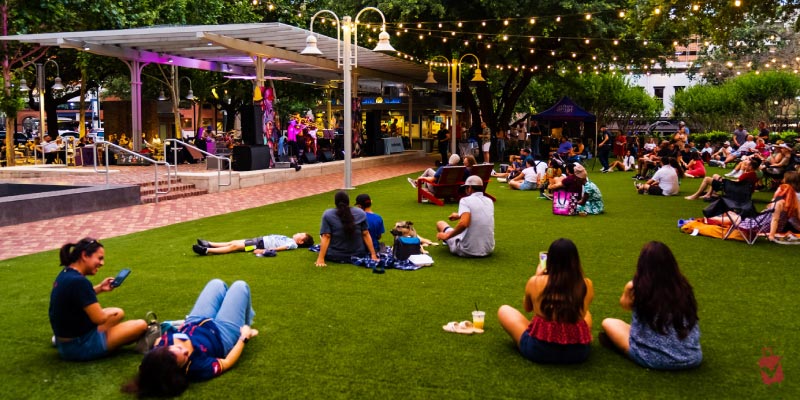
Market Square Park has stood at the heart of Houston’s history since the city’s earliest days. Originally called “Congress Square,” the site hosted four city halls and an open-air market before transforming into a green public space in the 1970s with support from the Junior League of Houston.
Market Square Historic District
A major renovation in 2010 gave the park its current form, revitalizing the area beautifully and inspiring nearby developments, including residential buildings and the Main Street Promenade. Seasonal programming and cultural gatherings at Market Square Park highlight some of Houston’s most popular festivals.
Today, Market Square Park is an inviting urban space that features:
Points of View: A striking 25-foot sculpture by Texas artist James Surls.
Lauren’s Garden: A peaceful memorial honoring Lauren Catuzzi Grandolas, a Houston-area resident lost on United Flight 93.
Amenities: Shaded walking paths, a dog run, and spaces for community events and cultural programming.
The park blends historical charm with modern energy, surrounded by nineteenth-century architecture and newer residential towers. Market Square Tower, a 43-floor building opened in 2017, houses apartments, a ballroom, a commercial kitchen, and a top-floor bar with a pool.
Address: 301 Milam St, Houston, TX 77002
Opening hours: Daily 6:00 AM – 11:00 PM
Ticket Details: Free access; individual businesses within the district follow their own hours
Conclusion
Together, these landmarks quietly trace Houston’s journey, from its earliest settlements and fight for independence to the rise of civic and cultural institutions. They demonstrate how communities shaped the city and how certain places have remained significant through the decades.
Visiting them gives a clear sense of Houston’s growth, culture, and resilience. These places invite you to connect with history in a meaningful, engaging way. Make time to experience these iconic landmarks and feel Houston’s past come alive today.
Margaret C. Jones, a passionate explorer of North America, captivates readers with her vivid tales on Travelarii’s blog. With a keen eye for hidden gems and local culture, Margaret offers expert advice and unique insights to enhance your travel experience. Her stories bring the diverse landscapes and vibrant cities of North America to life, inspiring readers to embark on their own adventures.






 Stay Near
MetLife Stadium
Stay Near
MetLife Stadium