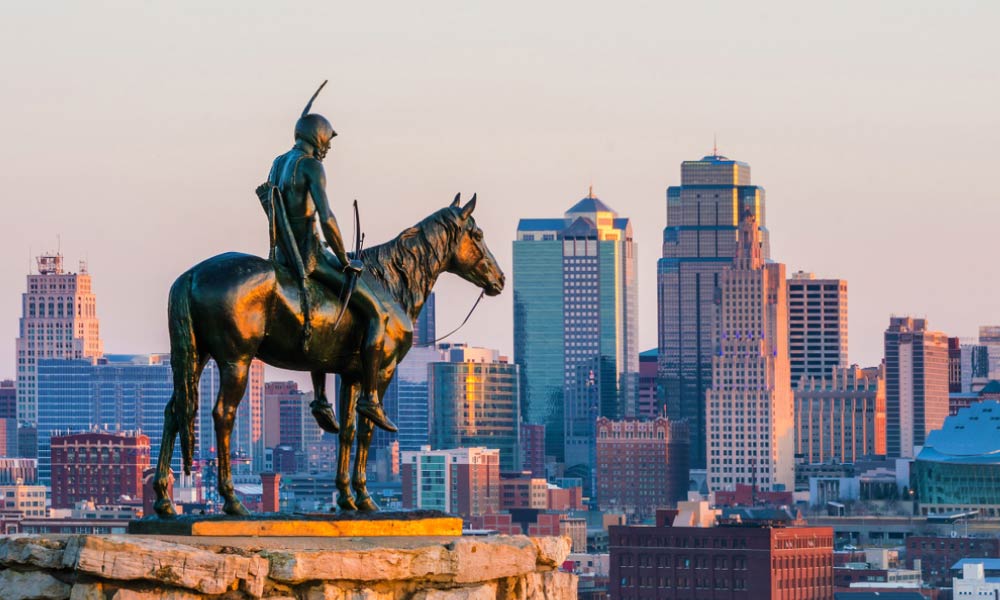
Many historical landmarks in Kansas City sit within parts of the city you are likely to visit during a normal trip. They are not isolated monuments. Most stand inside active neighborhoods, near parks, government buildings, markets, and streets that still shape daily movement across Kansas City.
Some locations trace the city’s early growth as a river trade hub near the Missouri River. Others reflect later periods when railroads, industry, and civic planning expanded the urban core. Sites such as Union Station Kansas City and Liberty Memorial show how transportation, war remembrance, and public architecture shaped the city’s identity.
For travelers exploring things to do in Kansas City, these landmarks help explain why certain districts developed where they did and how public spaces continue to function today. Many of them are located close to museums, parks, and downtown areas that already appear on most travel itineraries.
This guide highlights several historical landmarks in Kansas City that reveal different phases of the city’s development and help you understand the story behind the modern urban landscape.
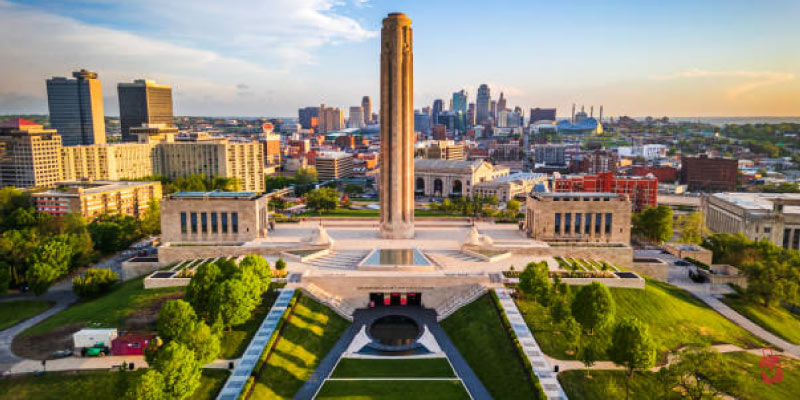
The National World War I Museum and Memorial, originally called the Liberty Memorial, has stood in Kansas City since 1926. Congress recognized it as the nation’s official WWI museum in 2004 and added memorial status in 2014 to honor the soldiers’ sacrifice.
A glass bridge lets visitors look down on 9,000 red poppies, each marking a thousand lives lost. Inside, the 32,000-square-foot museum holds over 350,000 artifacts-from letters and uniforms to weapons-telling the story of the war from its causes to the 1919 Paris Peace Conference.
National WWI Museum and Memorial
The museum began when 40 Kansas City leaders formed the Liberty Memorial Association right after the war. They raised more than $2.5 million in just two weeks, driven by what many call pure patriotism. Today, visitors can reflect on history in a space that is both moving and educational.
By the way, if you are a football lover, then you should know that the National WWI Museum and Memorial will serve as one of the official sites for the city’s FIFA Fan Festival 2026, where fans can gather and celebrate outside of game times. It’s just one of the notable festivals and events in Kansas City that make the city come alive.
2. Swope Park
Swope Park is the heartbeat of Kansas City’s green spaces. At 1,805 acres, it’s huge-the city’s largest park and one of the biggest in the country. Thomas Hunton Swope, a local philanthropist, donated the land in 1896, generously giving the city room to breathe, play, and explore.
The park is beautifully wooded, with trails that wind through meadows and forests. Visitors can casually wander to the Kansas City Zoo, hike scenic paths, or relax at Lakeside Nature Center, Missouri’s largest rehabilitation facility for native wildlife.
Swope Park
Starlight Theatre draws crowds with lively concerts and musicals, and the Swope Memorial Golf Course has hosted major tournaments. History also quietly whispers here – at the Battle of Westport Museum, you can vividly imagine the largest Civil War battle west of the Mississippi.
Swope Park is not just a park; it’s a place where locals and visitors alike can happily spend the day, discovering nature, sports, wildlife, and history all at once.
3. Steamboat Arabia Museum
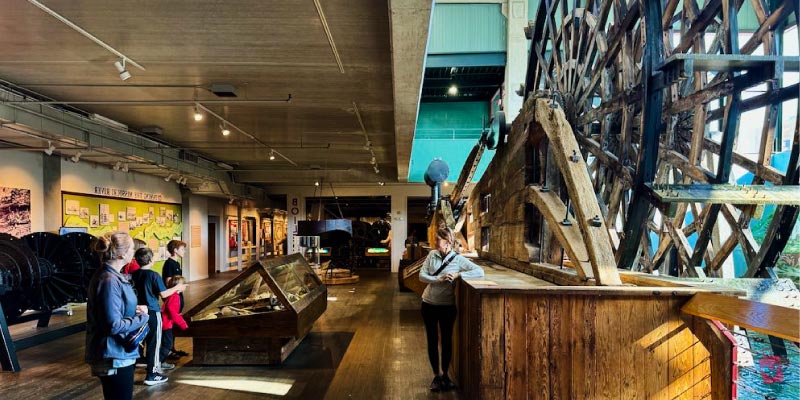
The Steamboat Arabia sank in 1856, carrying 200 tons of cargo along the Missouri River. Lost for 132 years, it was rediscovered in 1988 in a modern-day treasure-hunting adventure. Today, the Arabia Steamboat Museum showcases its remarkable collection, delighting visitors of all ages.
As you wander through the exhibits, you can carefully examine everyday items from the 19th century-children’s shoes, fine china, tools, and even some of the world’s oldest pickles.
Steamboat Arabia Museum
A full-scale 171-foot reproduction of the steamboat deck helps you feel the scale and excitement of the original vessel. You’ll also see original boilers, engines, the anchor, and even the skeleton of a mule, all meticulously preserved.
The museum’s story is deeply tied to the Hawley family, who discovered and restored the Arabia, and while the museum will close in 2026, it’s an inspiring place that connects people directly to American history in a lively, engaging way.
4. Shoal Creek Living History Museum
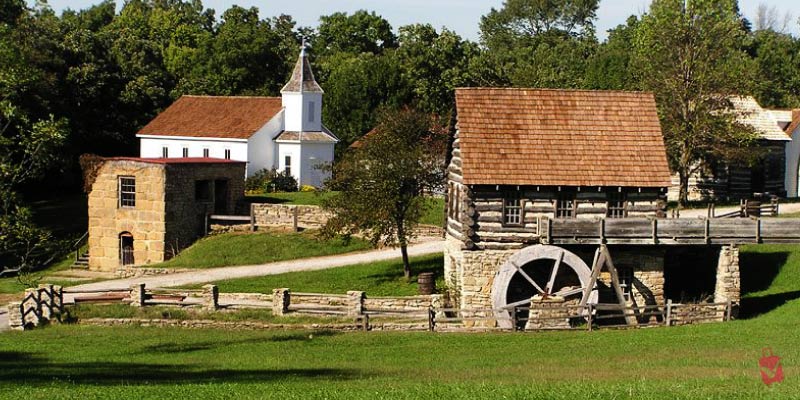
Shoal Creek Living History Museum, opened in 1975, offers a delightful peek into Missouri’s 19th-century life. Set on 80 acres within Hodge Park, the museum features 21 authentic log cabins and homes, relocated from surrounding counties, creating a charming village setting.
Shoal Creek Living History Museum
Visitors can easily explore on self-guided walking tours, picnic under large shade trees, or enjoy special events where re-enactors bring the village to life with demonstrations and skits. The site includes a grist mill, school, church, mercantile, and more, all preserved carefully to reflect pioneer life.
Shoal Creek is a place where history is not just told but experienced. Families, school groups, and curious travelers can happily step into the past and discover how Missourians lived, worked, and celebrated over 150 years ago.
5. Union Station, Kansas City
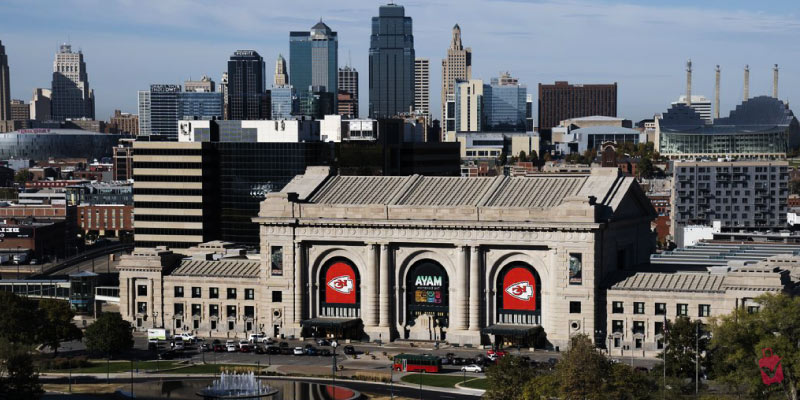
Union Station opened in 1914, replacing the older Union Depot. Back in 1945, it handled over 670,000 passengers as soldiers returned home from World War II. By the 1950s, train travel slowed, and the station eventually closed in 1985. A major restoration between 1996 and 1999 brought it back to life.
Union Station
Today, the Grand Hall still impresses, with its 95-foot ceilings, heavy chandeliers, and the large clock over the entrance. Inside, there’s a mix of science exhibits, theaters, and restaurants, including the Irish Museum and Cultural Center.
Trains returned in 2002, and the KC Streetcar stops nearby, quietly connecting the station to downtown. Visiting Union Station, it’s easy to feel the layers of history in the building – from its role in the Kansas City massacre in 1933 to its ongoing work as a community space.
6. Museum of Kansas City
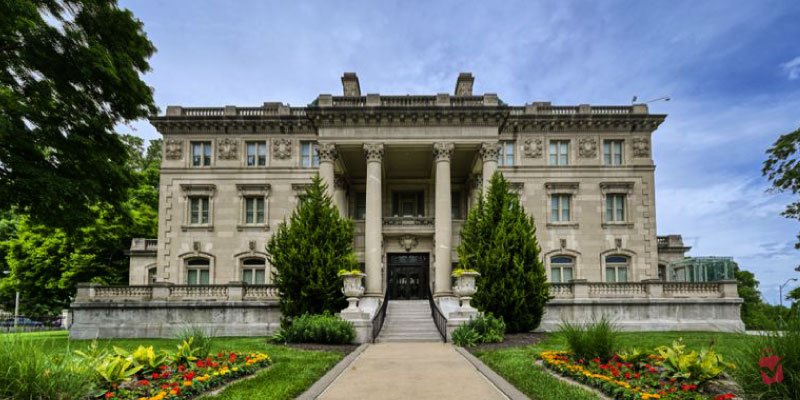
Corinthian Hall, built in 1910 for Robert A. Long and his family, became a museum in 1940. The four-story Beaux-Arts mansion sits on three acres and still shows many of its original architectural details, from the columns outside to the pergola-covered walkways.
The Kansas City Museum
The museum has gone through careful restoration, most recently reopening in 2021. Its exhibits cover Kansas City history, including local agriculture, horse culture, and stories of notable residents.
Inside, there’s a small theater, a soda fountain, and a boutique, all designed to blend modern functionality with historic character. The museum balances past and present. Walking through the halls, you can appreciate both the craftsmanship of the building and the stories it holds.
7. Kaw Point Park
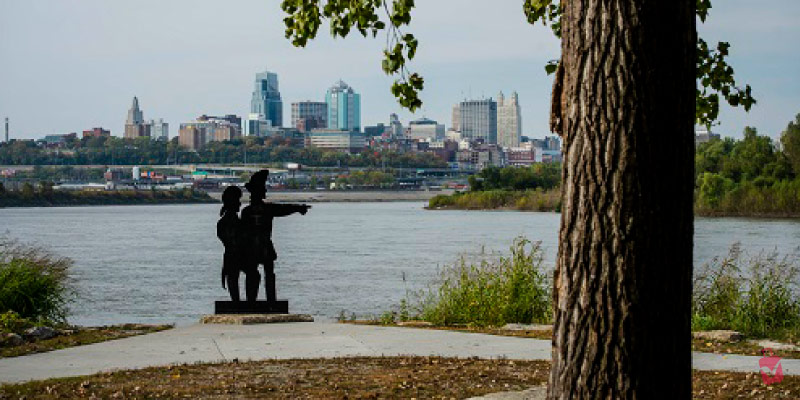
Kaw Point Park sits where the Kansas River meets the Missouri River. Lewis and Clark camped here for three days in 1804, repairing boats and taking measurements. The area was full of wildlife at the time, including deer, elk, bison, and even now-extinct Carolina parakeets.
Kaw Point Park
Today, the park still feels open and natural. There are trails, wildflowers, and a riverside view that quietly remind visitors of the first explorers who paused here over 200 years ago. A small amphitheater hosts events, connecting people to the same spot where history quietly unfolded.
8. Negro Leagues Baseball Museum
The Negro Leagues Baseball Museum, located in the 18th & Vine District, honors the history of African-American baseball from 1920 to the 1960s. Founded in 1990, it grew from a small office into a 10,000-square-foot building filled with artifacts, photographs, and interactive displays.
Negro Leagues Baseball Museum
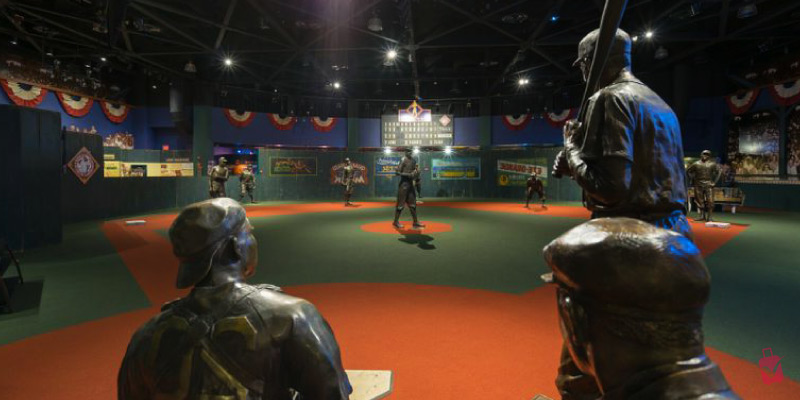
The museum features a full-scale baseball diamond with life-sized statues of legendary players. Visitors can see video presentations, vintage film, and a documentary narrated by James Earl Jones. The exhibits reflect both the challenges and the skill of the players, presenting a history that shaped the sport and the country.
9. River Market
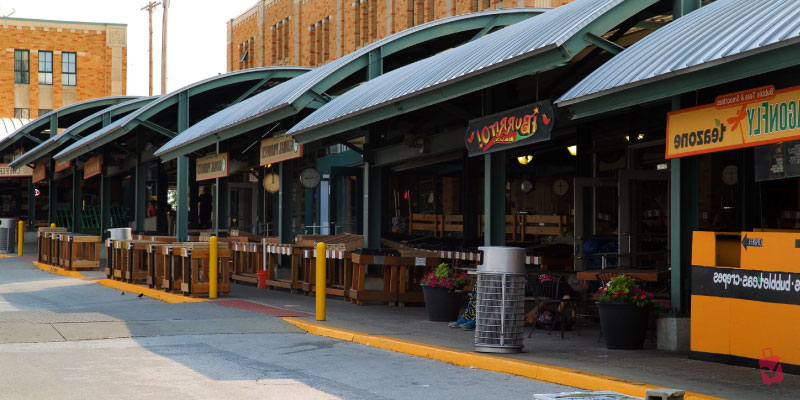
River Market, the city’s oldest district, started as a fur trading post and a dock for Westport. It grew into a riverfront neighborhood with a market, museums, and local businesses. The City Market runs year-round, with stalls selling produce, flowers, baked goods, and meats.
River Market
Nearby, the Arabia Steamboat Museum displays 200 tons of treasures from a steamboat that sank in 1856. There are also coffee shops, restaurants, and small shops, giving the area a relaxed and practical feel. Walking through River Market, the focus is on the history and daily life of the city markets, food, and river views, all quietly connecting past and present.
Closure
Kansas City quietly reveals its story in every street, park, and landmark. Union Station hums with history, River Market teems with life, and Kaw Point recalls early explorers. Visitors can clearly feel the city’s past and present blending together.
Each site invites visitors to pause, reflect, and feel the layers of the past. Especially for those coming for the FIFA World Cup 2026, these sites provide a meaningful glimpse into Kansas City’s character, heritage, and the moments that shaped it.
Margaret C. Jones, a passionate explorer of North America, captivates readers with her vivid tales on Travelarii’s blog. With a keen eye for hidden gems and local culture, Margaret offers expert advice and unique insights to enhance your travel experience. Her stories bring the diverse landscapes and vibrant cities of North America to life, inspiring readers to embark on their own adventures.





 Stay Near
MetLife Stadium
Stay Near
MetLife Stadium