
Most “cheap things to do in Florida” lists are years out of date. Park fees change every year or two, and a $6 entrance fee that was accurate in 2019 might be $35 today, which is exactly what’s happened at one of the most popular stops on this list.
Before writing this guide, every price below was checked against the park’s or attraction’s current rates, so what you’re reading reflects 2026, not when the last update ran.

Florida proves that unforgettable adventures don’t have to break the bank. Skip the theme parks for a day and discover crystal-clear springs, affordable state parks, and free experiences that deliver real value. With the right budget-friendly Florida vacation rental, you can enjoy an incredible getaway without spending a fortune.
Inside, you’ll find 15 verified low-cost attractions, five completely free experiences, money-saving passes, and practical answers to the questions budget travelers ask most.
| Book Hotels Near FIFA WC ’26 Stadiums |
|---|
Table of Content
- Florida Budget Day-Trip Costs at a Glance
- 1. Florida Keys Eco-Discovery Center
- 2. Sanibel Island & J.N. "Ding" Darling National Wildlife Refuge
- 3. John Pennekamp Coral Reef State Park
- 4. Blue Spring State Park
- 5. Castillo de San Marcos National Monument
- 6. Everglades National Park
- 7. Bok Tower Gardens
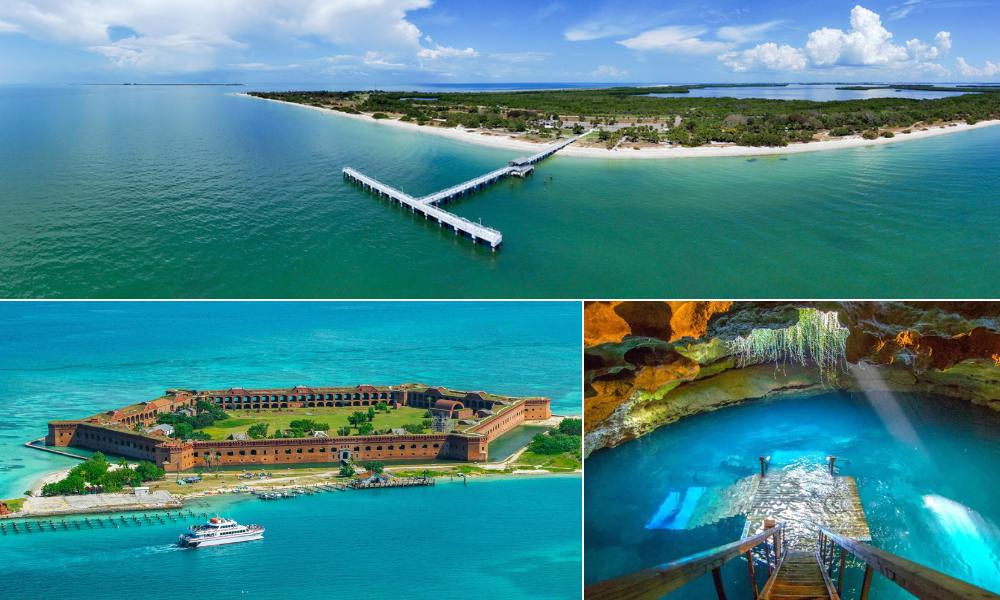
- 8. Fort De Soto Park
- 9. Harry P. Leu Gardens
- 10. Dry Tortugas National Park
- 11. Weeki Wachee Springs
- 12. Rainbow Springs State Park
- 13. Bahia Honda State Park
- 14. Devil's Den
- 15. Manatee Springs State Park
- More Cheap & Free Things to Do, Region by Region
- Money-Saving Passes Worth Knowing About
- Final Thoughts
- FAQs
- More Related Blogs From Travel Tips And Tricks
Florida Budget Day-Trip Costs at a Glance
| Attraction | Current Price | Best For |
|---|---|---|
| Florida Keys Eco-Discovery Center | Free | Rainy days, families |
| Sanibel Island & Ding Darling Refuge | Free (small parking/drive fee) | Beaches, birdwatching |
| John Pennekamp Coral Reef State Park | $8/vehicle | Snorkeling, reefs |
| Blue Spring State Park | $6/vehicle | Manatees, swimming |
| Castillo de San Marcos | $15/adult | History |
| Everglades National Park | $35/vehicle (7 days) | Wildlife, paddling |
| Bok Tower Gardens | $20/adult | Gardens, quiet |
| Fort De Soto Park | $6/vehicle | Beaches, biking |
| Harry P. Leu Gardens | $15/adult | Orlando day trip |
| Dry Tortugas National Park | ~$250/person (ferry) | Bucket-list adventure |
| Weeki Wachee Springs | $13/adult | Kids, mermaid shows |
| Rainbow Springs State Park | $4–6/vehicle (reservation required) | Tubing, kayaking |
| Bahia Honda State Park | $8/vehicle | Keys beaches |
| Devil's Den | $20–30/person | Cave snorkeling/diving |
| Manatee Springs State Park | $6/vehicle | Manatees, hiking |
1. Florida Keys Eco-Discovery Center
Location: Key West
Best for: Families, marine biology enthusiasts
Cost: Free
Hours: 9 AM–4 PM (closed Sundays)
Duration: 1–2 hours
Tucked into Key West’s Truman Waterfront, this free museum is one of the better-kept secrets in the Keys – especially useful if you need an air-conditioned break from the heat. Interactive exhibits cover coral reefs and mangrove ecosystems, and a full-scale replica of the Aquarius underwater laboratory is the centerpiece.
It’s small enough to see in an hour but detailed enough to hold a curious kid’s attention. Since it’s indoor and free, it’s a natural fit for a rainy-day stretch of a Keys trip – our guide to indoor things to do in Florida when it rains has more backup options if the weather turns.

2. Sanibel Island & J.N. "Ding" Darling National Wildlife Refuge
Location: Gulf Coast (near Fort Myers)
Best for: Shelling, beach walks, birdwatching
Cost: $5–$10 parking
Best time: November–March (cooler, better shelling)
Duration: 4–6 hours
Sanibel’s beaches are free to walk and famous for shelling – the hunched-over shell-hunting pose locals do is literally called the “Sanibel Stoop.” Most beach access points charge a metered parking fee, but there’s no admission charge to enjoy the sand.
Next door, the J.N. “Ding” Darling National Wildlife Refuge has fully reopened following Hurricane Ian recovery work- its Visitor and Education Center is free, and the four-mile Wildlife Drive (a modest per-vehicle fee applies; walking or biking it is free) is one of the best low-cost ways to spot roseate spoonbills, ospreys, and alligators in the wild.
One planning note worth knowing- the refuge is closed on Fridays. Sanibel is also a strong base for families.
3. John Pennekamp Coral Reef State Park
Location: Key Largo
Best for: Snorkeling, beach picnics, hiking
Cost: $6 per vehicle (7-day pass)
Best season: Year-round
Duration: 4–8 hours
As the first underwater park in the United States, John Pennekamp protects 70 nautical square miles of living reef off Key Largo. Entrance is $8 per vehicle (covering up to eight people), plus a small $0.50-per-person county surcharge – bring exact change.
That fee covers the beaches, picnic areas, and three nature trails; glass-bottom boat tours, snorkeling trips, and dive charters cost extra. If you’re equipped to paddle instead, this is one of the better budget ways to see real coral up close.
4. Blue Spring State Park
Location: Orange City (central Florida)
Best for: Manatee viewing, swimming, snorkeling
Cost: $6 per vehicle
Best season: December–February (peak manatee season)
Duration: 2–4 hours
Orange City’s Blue Spring holds a constant 72°F year-round and costs just $6 per vehicle to enter (or $4 for a single-occupant car, $2 for pedestrians and cyclists).
Summer visitors swim, snorkel, and tube in the spring run; winter visitors come for one of Florida’s best manatee-viewing spots, when hundreds gather in the warmer water from roughly November through March. The park hits capacity often on cold weekends, so arrive at the 8 a.m. opening if you’re chasing manatee season.
If you want to plan your entire trip around the right season, you’ll need to know about the best time to vacation in Florida, so you can plan accordingly based on what’s best at what time of year.
5. Castillo de San Marcos National Monument
Location: St. Augustine
Best for: History enthusiasts, photographers
Cost: $15 (adults)
Hours: 8:45 AM–5:15 PM
Duration: 2–3 hours
The oldest masonry fort in the continental U.S. sits right on St. Augustine’s bayfront. Admission is $15 for visitors 16 and older, valid for seven consecutive days, with anyone 15 and under admitted free. That single ticket covers the fort’s walls, cannons, and historical exhibits, plus any weapons demonstrations or living-history reenactments scheduled that day.
Parking nearby runs about $2.50 an hour, so budget that separately from the entrance fee. If your trip lines up with one of the National Park Service’s fee-free days (see the passes section below), this is a good one to time your visit around.
6. Everglades National Park
Location: South Florida
Best for: Wildlife spotting, scenic drives, hiking
Cost: $30 per vehicle (7-day pass)
Best season: December–April (cooler, drier)
Duration: 4–8 hours
The Everglades is one of America’s largest national parks and one of the most affordable. A $30 per-vehicle pass is valid for 7 days. Drive scenic loops to spot alligators, manatees, wading birds, and more. Hiking trails range from 30 minutes to several hours.
Important: Airboat tours are NOT included with entry and cost $30–$50 extra—but they’re optional. The park is stunning from your car.
Note: For current entrance policies and updates, check the National Park Service official website.
7. Bok Tower Gardens
Location: Lake Wales
Best for: Gardens, peaceful walks, music lovers
Cost: $16 (adults)
Hours: 8 AM–6 PM
Duration: 2–3 hours
This 250-acre garden in Lake Wales centers on the 205-foot Singing Tower, whose carillon bells ring out over the grounds throughout the day. General admission is $20 for adults and $10 for children ages 6–17 (free for kids 5 and under) – a price that’s risen from the roughly $16 many guides still cite.
Touring the historic El Retiro estate costs an additional $10. Watch for Bok’s seasonal “Summer Fun Days,” when admission is free for the whole family on select dates. If you’re staying near Tampa, this also makes a solid day trip .
8. Fort De Soto Park
Location: St. Petersburg
Best for: Beaches, historic exploration, kayaking
Cost: $5 per vehicle
Best season: Year-round
Duration: 4–6 hours
This Pinellas County park near St. Petersburg charges $6 per vehicle for parking – walk or bike in and it’s free. That single fee unlocks miles of beach, nature trails, a historic fort you can explore on your own, swimming, picnicking, and kayak launches. It’s also one of the more bike-friendly parks on this list, with paved trails connecting the beach areas to the fort; our biking trails in Florida guide covers more routes worth riding.
9. Harry P. Leu Gardens
Location: Orlando
Best for: Garden lovers, photographers, peaceful retreats
Cost: $10 (adults)
Hours: 9 AM–5 PM (closed Mondays)
Duration: 2–3 hours
Just outside downtown Orlando, this 50-acre botanical garden charges $15 for adults and $10 for children ages 4–17 (kids under 4 are free) – up from the roughly $10 adult price quoted in older guides. One genuinely useful tip- admission is free for everyone on the first Monday of each month, so it’s worth timing a visit around that if your schedule allows.
The grounds include a historic home, butterfly gardens, and rotating seasonal plant displays. Planning a broader Orlando trip on a budget?
10. Dry Tortugas National Park
Location: 70 miles west of Key West
Best for: Snorkeling, historic forts, dramatic scenery
Cost: $180–$200 ferry + $10 park entry
Best season: May–September (calmest seas)
Duration: Full day
The park itself is free to explore once you’re there, but getting there is the real cost- most visitors arrive via the Yankee Freedom ferry from Key West, which runs roughly $250 per adult round-trip and includes the park’s $15 entrance fee, breakfast, lunch, and snorkel gear rental.
It’s the single most expensive item on this list, but for that price you get a half-day at one of the most remote national parks in the country, plus a tour of the 19th-century Fort Jefferson.
Budget an extra $30–40 for parking in Key West if you’re driving in. For travelers Searching for bigger adventures on a budget Florida trip.
11. Weeki Wachee Springs
Location: Spring Hill (west-central Florida)
Best for: Tubing, mermaid shows, swimming
Cost: $13 park entry
Best season: March–May, September–November
Duration: 3–5 hours
Famous for live underwater mermaid shows performed since the 1940s, Weeki Wachee charges $13 for adults and $8 for children ages 6–12 (free for kids 5 and under). That admission covers the mermaid theater, a 20-minute wildlife boat ride down the spring-fed river, and access to the spring itself; the attached Buccaneer Bay water park is included seasonally. It’s one of the most reliably kid-friendly stops on this list.
12. Rainbow Springs State Park
Location: Dunnellon (central Florida)
Best for: Tubing, swimming, crystal-clear water
Cost: $2 per person
Best season: Year-round
Duration: 3–5 hours
Rainbow Springs in Dunnellon charges $4 for a single-occupant vehicle or roughly $6 for a multi-occupant vehicle (up to eight people), plus $2 for pedestrians and cyclists – tubing and kayak rentals run separately, from about $15–40 depending on gear.
The important update here- as of April 2026, the park requires a day-use reservation for every visitor, so you can no longer just show up. Reserve ahead through the official Florida State Parks site, especially for weekends. Once you’re in, the crystal-clear headsprings and the mile-long tubing run are some of the prettiest water in the state.
13. Bahia Honda State Park
Location: Big Pine Key (Florida Keys)
Best for: Beaches, snorkeling, scenic views
Cost: $10 per vehicle
Best season: October–April
Duration: 4–6 hours
This Florida Keys park is famous for two things- arguably the best beach in the Keys, and views of the old Seven Mile Bridge. Entrance is $8 per vehicle (covering two to eight people), plus a small $0.50-per-person county surcharge – a correction from the $10 figure that circulates in some older guides. That fee covers the beach, nature trails, and snorkeling areas; camping and boat ramp use cost extra.
14. Devil's Den
Location: Williston (north-central Florida)
Best for: Snorkeling, underground springs, photography
Cost: $15 snorkeling $25 scuba
Best season: Year-round
Duration: 2–3 hours
This privately owned prehistoric spring near Williston, Florida, is essentially a cave with an underground spring inside, kept at a constant 72°F. Open swimming isn’t allowed, but snorkeling and scuba diving are, with required gear (mask, snorkel, fins).
Pricing runs roughly $20–30 per person for a snorkeling session (lower on weekdays, higher on weekends) and $35 and up for scuba diving, with gear rental as an additional cost if you don’t bring your own – noticeably higher than the $15/$25 figures older guides quote. Reservations are required and fill up fast in summer and on weekends, so book ahead rather than driving in hoping for a slot.
15. Manatee Springs State Park
Location: Chiefland (nature coast)
Best for: Manatee viewing, canoeing, hiking
Cost: $6 per vehicle
Best season: December–March (manatee season)
Duration: 3–5 hours
In Chiefland, on Florida’s Nature Coast, Manatee Springs charges $6 per vehicle (up to eight people), with a 100-million-gallon-a-day first-magnitude spring as the centerpiece. An 800-foot boardwalk winds through cypress forest to an overlook on the Suwannee River, and – as the name suggests – manatees are a regular sight in the cooler months.
It’s one of the quieter, less-crowded springs on this list, which makes it a good pick if Blue Spring’s winter crowds aren’t your style. For more under-the-radar stops in this part of the state.
More Cheap & Free Things to Do, Region by Region
Florida is roughly 450 miles long, and what counts as “cheap” near Pensacola has very little overlap with what’s cheap near Miami. Here’s a region-by-region rundown to round out your trip with more than just parks and springs.
Northwest Florida (The Panhandle)
- Henderson Beach State Park (Destin) – $6 per vehicle for sugar-white sand and nature trails along the Gulf, with shoreline that looks dusted in powdered sugar.
- Destin Seafood Festival – this October street festival is free to attend, with live music, seafood tastings, and chef demonstrations (budget extra cash for the food and craft stalls themselves).
- Okaloosa Island Boardwalk – free to walk, with shops, dining, and free summer Wednesday-night fireworks shows from late May through early August.
North & North Central Florida
- Florida Museum of Natural History (Gainesville) – around $14 for adults and $7 for kids, including the Butterfly Rainforest exhibit, with live butterfly releases on a regular schedule.
- Gilchrist Blue Springs State Park – $4–6 per vehicle for swimming, tubing, snorkeling, and manatee sightings on the Santa Fe River.
- Lake Ella & Cascades Park (Tallahassee) – both completely free city parks; Cascades Park adds an amphitheater and a self-guided walking tour.
Northeast Florida
- St. Augustine Distillery – free tours of the production floor roughly every 30 minutes (and free tastings) in the nation’s oldest city.
- Amelia Island public beaches – 13 miles of free Atlantic coastline with noticeably lighter crowds than South Florida’s.
- Jacksonville Beach – free to watch some of the state’s best surfing, or take a lesson if you want to try it yourself; winter brings the biggest swells.
Central Florida (Orlando Area)
- Disney Springs – free to enter and park, with no theme-park ticket required, plus shops, restaurants, and people-watching that can fill a half-day on its own.
- Universal CityWalk – also free to enter; you’ll only pay if you eat, shop, or play a round of mini-golf.
- Winter Park’s Park Avenue – free to stroll, with periodic free outdoor movie nights and an annual free-admission art festival.
Central East Florida (Space Coast)
- Free rocket launch viewing – Playalinda Beach and Space View Park in Titusville are popular no-cost spots to watch Kennedy Space Center launches; check the current launch schedule before you go since dates shift often.
- Cocoa Beach – free public beach access, with the 24-hour Ron Jon Surf Shop as a local landmark worth a look even if you’re not buying a board.
Central West Florida (Tampa Bay)
- Ybor City Museum State Park (Tampa) – $4 per person for a look at Tampa’s cigar-industry immigrant history; the surrounding historic district’s brick streets and storefronts are free to wander.
- Clearwater Beach’s Pier 60 Sunset Celebration – a free nightly gathering with street performers and artisan vendors timed to the sunset, going on rain or shine.
- Morean Arts Center (St. Petersburg) – free general admission to most of the gallery space, with ticketed pricing only for the separate Chihuly Collection glass exhibit.
Southeast Florida (Miami, Palm Beach, Broward)
- Wynwood Arts District (Miami) – the murals lining the streets are free to view any time; the separate, gated Wynwood Walls exhibit charges admission if you want the curated gallery experience instead of just the street-level art.
- South Beach & Miami Beach – free public beach access along one of the most photographed stretches of coastline in the country.
- Miami’s Art Deco Historic District – free to explore on foot, with self-guided walking routes through hundreds of 1930s–40s buildings in the South Beach area.
Southwest Florida & The Keys
Already covered in the deep-dive list above: Sanibel Island, Bahia Honda State Park, and John Pennekamp. A couple more worth adding to that route:
- Naples Pier – free public pier and beach access on the Gulf side of Southwest Florida, popular for sunset photos.
- Four Mile Cove Eco Preserve (Cape Coral) – free to walk and hike through mangrove boardwalks; kayak and canoe access costs a small separate fee.
Money-Saving Passes Worth Knowing About
A few of the stops above belong to systems that offer real savings if you’re visiting more than once:
- Florida State Parks Annual Pass – $60 for an individual, $120 for a family (covers up to eight people in one vehicle). Several parks above – John Pennekamp, Blue Spring, Rainbow Springs, Bahia Honda, Gilchrist Blue Springs, and Manatee Springs – are Florida State Parks, so visiting three or more on one trip already makes the pass worth it.
- America the Beautiful Annual Pass – $80, and covers entrance to all National Park Service sites, including Everglades, Dry Tortugas, and Castillo de San Marcos. Note that a few of the busiest national parks, including Everglades, now charge a separate non-resident surcharge that this pass doesn’t cover.
- NPS Fee-Free Days – In 2026, U.S. citizens and residents get free entry to national park sites on several set dates, including February 16, May 25, June 14, July 3–5, August 25, September 17, October 27, and November 11.
- Reservations are increasingly required, not optional. Rainbow Springs State Park now requires a day-use reservation for every visitor, and Devil’s Den requires booking a snorkeling or diving time slot in advance. Neither is a same-day walk-up anymore – build that into your planning.
Final Thoughts
Florida’s reputation for expensive theme parks and crowded beaches isn’t the whole story. With a little planning – and prices that are actually current – you can spend a full week exploring coral reefs, thousand-year-old springs, and a 17th-century fort for less than most people spend on a single day at a major park. Start with two or three stops near each other, look into a state park or national park pass if you’re staying a while, and book ahead anywhere that now requires a reservation.
FAQs
For $4 to $8 per vehicle, yes – that’s less than a single fast-food meal for access to swimming, hiking, and wildlife viewing that would cost far more at a private attraction, and the fee helps fund park conservation and upkeep.
Increasingly, for specific parks. Rainbow Springs State Park requires a day-use reservation for all visitors as of 2026, and popular springs like Blue Spring and Manatee Springs frequently close temporarily once they hit capacity, especially on winter weekends. Check the park’s official page the morning of your visit if you’re unsure.
Roughly November through April brings cooler weather, manatee season at the springs, and lighter crowds at most nature-based parks, though it overlaps with peak tourist season in some coastal areas.
Blue Spring State Park and Manatee Springs State Park are two of the most reliable, affordable spots, both at $6 per vehicle, with peak viewing from November through March.
Yes – the $35 fee covers seven consecutive days, not just one, so even a single afternoon visit gets you a full week of re-entry if your trip extends that long.
Plenty- public beaches, the Ding Darling refuge’s visitor center, several botanical gardens on select free days, and St. Augustine’s historic downtown all cost nothing.
More Related Blogs From Travel Tips And Tricks


Margaret C. Jones
Margaret C. Jones, a passionate explorer of North America, captivates readers with her vivid tales on Travelarii’s blog. With a keen eye for hidden gems and local culture, Margaret offers expert advice and unique insights to enhance your travel experience. Her stories bring the diverse landscapes and vibrant cities of North America to life, inspiring readers to embark on their own adventures.