The best area to stay in Miami for first time visitors is usually South Beach or Mid-Beach if the goal is the classic Miami experience. Choose Brickell for a more urban base with high-rise hotels, restaurants, and easier access to Downtown Miami.

South Beach puts first-time visitors close to Ocean Drive, the Art Deco Historic District, the beach, restaurants, and nightlife. Mid-Beach has a quieter setting while keeping the main attractions of Miami Beach within reach. Brickell feels more business-oriented and residential, with a strong selection of dining, shopping, and modern hotels.

Find Your Ideal Stay in Miami on Vrbo

Search extensive private home inventory, review verified guest feedback, and book your trip
with complete confidence.

There are other options worth considering. North Beach suits travelers who want a quieter stretch of Miami Beach, while Coconut Grove and Coral Gables offer a different pace away from the main tourist areas. Key Biscayne is another option for visitors who want to stay near the water with a more residential feel.

This Miami travel guide for beginners covers Miami Beach sub-areas, quieter neighborhoods farther north, Key Biscayne, the safest area to stay in Miami, and the best Miami neighborhoods without a car.

Where Should First-Time Visitors Stay?

The best area to stay in Miami for first time visitors depends on what kind of trip you want. For most tourists, these three options cover the main preferences:

South Beach: Choose it for the classic Miami trip. You’ll be close to the beach, Ocean Drive, Art Deco architecture, restaurants, and nightlife. It is the most straightforward choice for visitors who want major attractions nearby.

Brickell: Choose it for a more urban stay. The area has high-rise hotels, restaurants, shopping, and easy access to Downtown Miami. It suits visitors who prefer a city setting or have business in the area.

Key Biscayne or Surfside: Choose either for a quieter first visit. Key Biscayne has a residential island setting and beaches, while Surfside sits north of Miami Beach with a smaller-scale feel and easy access to the coast.

For a first-time Miami travel guide for beginners, South Beach is usually the simplest base for seeing the city’s most recognizable sights.

Miami Beach Explained: South Beach vs. Mid-Beach vs. North Beach

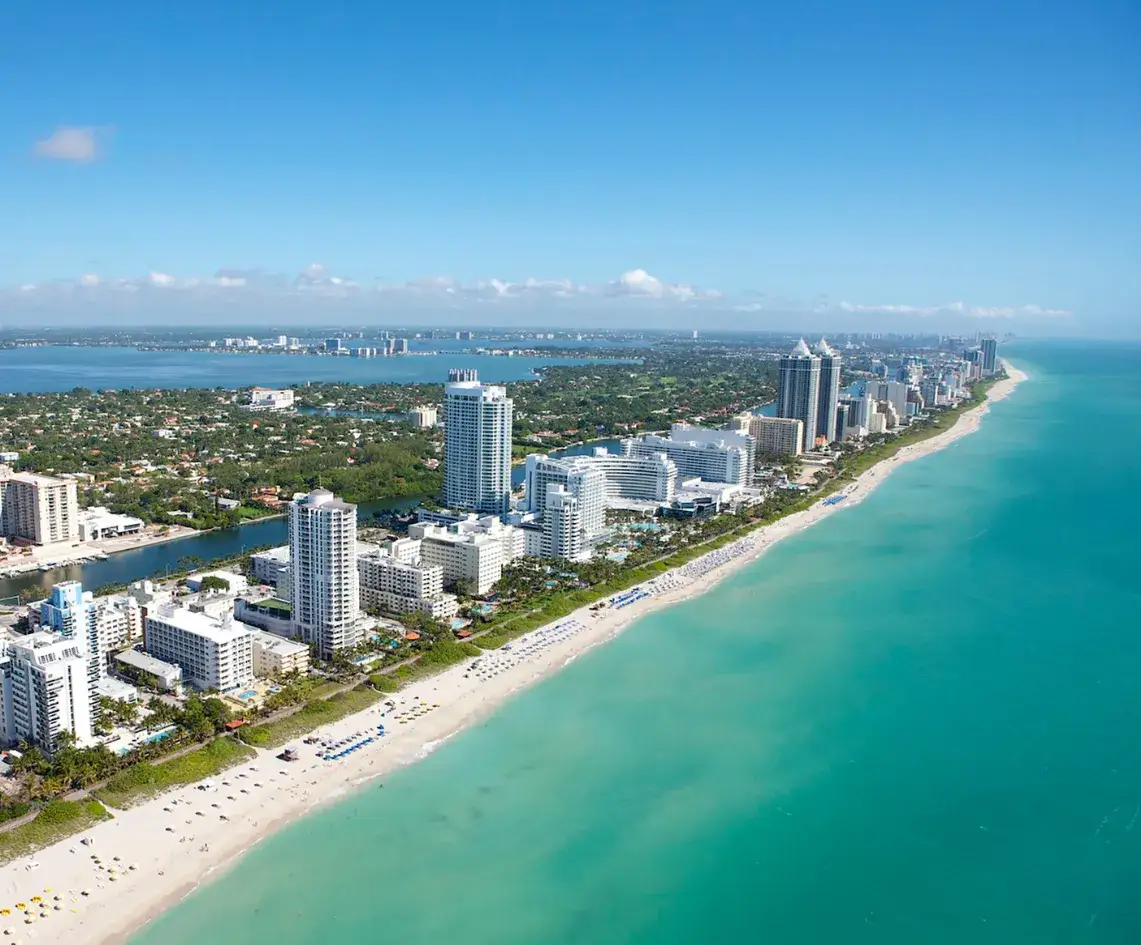
One point can make Miami hotel searches less confusing: Miami Beach is the city, while South Beach, Mid-Beach, and North Beach are commonly used names for areas within it. They are not separate cities. All three sit along the same barrier island, but the atmosphere and location differ as you move north.

South Beach

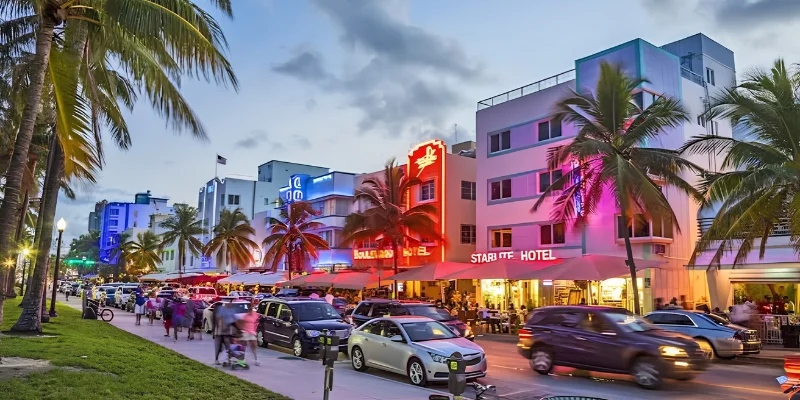
Neon lights and crowds at night on Ocean Drive in South Beach, surrounded by palm trees and art deco hotels.

South Beach (Photo Credit: matadornetwork.com )

South Beach is the most tourist-focused part of Miami Beach. It is home to the Art Deco Historic District, Ocean Drive, Lummus Park, and a large concentration of restaurants, bars, hotels, and nightlife.

For a first visit, South Beach is the easiest choice if you want to spend much of your time around the beach and the city’s best-known attractions. The area has plenty of pedestrian-friendly streets, and many popular spots are close enough to reach on foot.

The trade-off is the pace. South Beach has more visitors, more nightlife, and generally more activity than the other two areas. Hotel rates can also be higher, particularly in the most sought-after locations and during busy periods.

Best for: First-time visitors focused on beaches, Art Deco, restaurants, and nightlife.

Mid-Beach

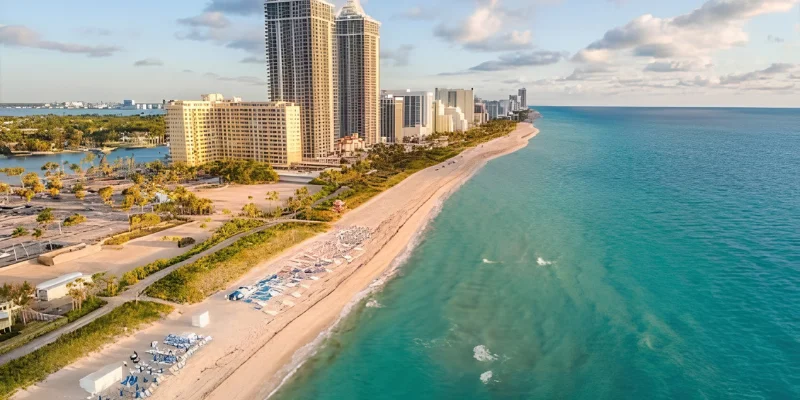
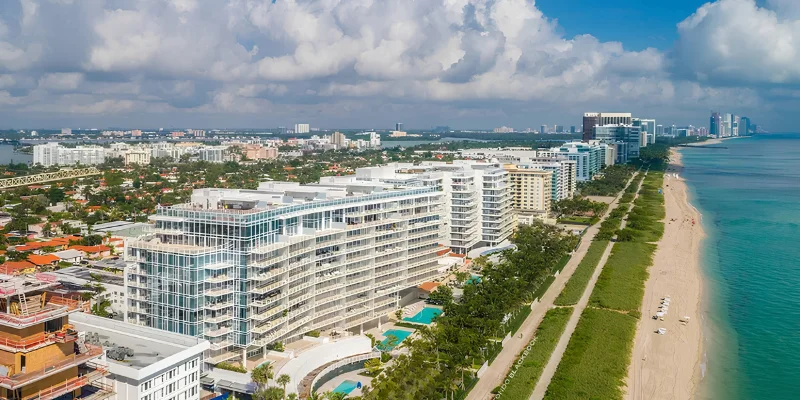
Aerial view of the sandy shoreline, turquoise water, and tall hotels at Mid-Beach in Miami.

Mid-Beach (Photo Credit: dorapuig.com )

Mid-Beach sits between South Beach and North Beach. It is generally quieter and more residential in character, with many beachfront hotels and resorts along Collins Avenue.

The beach remains the main draw, and staying here does not mean being far from South Beach. Depending on the hotel’s location, you can reach South Beach by walking, cycling, public transportation, or a short ride.

Mid-Beach can make sense for visitors who want access to Miami Beach without staying directly in the busiest tourist zone. It is also worth considering for longer stays when having a quieter hotel area matters.

Best for: Visitors who want a beach-focused stay with less activity outside the hotel.

North Beach

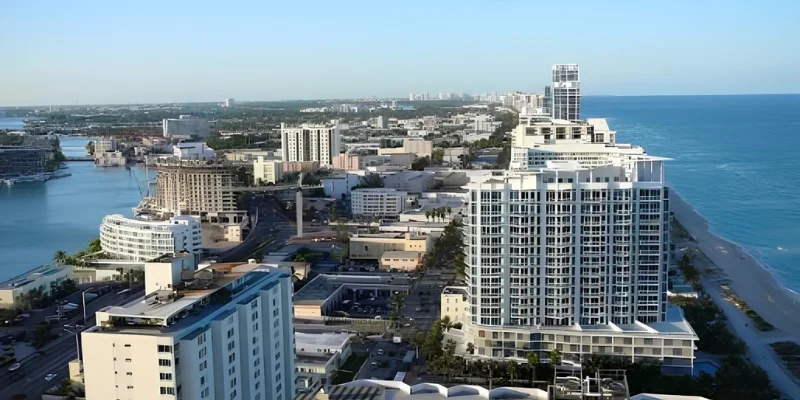
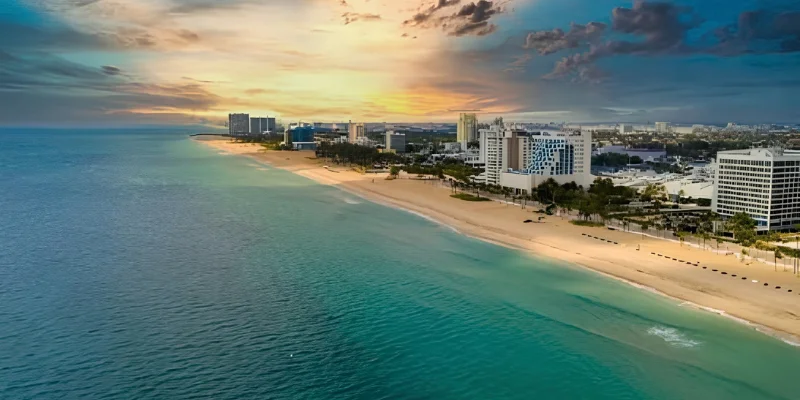
Miami skyline and coastline seen from North Beach, showing buildings along the ocean

North Beach (Photo Credit: wikipedia.org )

North Beach is the least tourist-oriented of these three areas. It includes neighborhoods such as North Shore and offers a more local residential feel than South Beach.

The beach is still easily accessible, but the concentration of major tourist attractions, nightlife venues, and large hotels is lower. That can make North Beach a better fit for visitors who prefer a quieter base and do not mind traveling farther for South Beach attractions.

Best for: Travelers who want a less tourist-heavy Miami Beach stay and a more residential setting.

For most first-time visitors, South Beach is the simplest base for sightseeing, while Mid-Beach and North Beach make more sense when a quieter location is a higher priority.

South Beach vs. Brickell for First-Time Visitors

For many first-time visitors, the choice comes down to South Beach vs. Brickell. The difference is straightforward: South Beach feels like a beach destination, while Brickell is a high-rise urban district in the heart of Miami.

South Beach

South Beach is the better fit if the beach is a major part of the trip. Hotels, restaurants, Ocean Drive, the Art Deco Historic District, and nightlife are concentrated within a relatively compact area. Many attractions can be reached on foot, making it one of the more convenient Miami neighborhoods without a car.

It also has a stronger vacation atmosphere. That comes with more visitors, more nightlife, and generally more activity, particularly around Ocean Drive and the southern end of Miami Beach.

Brickell

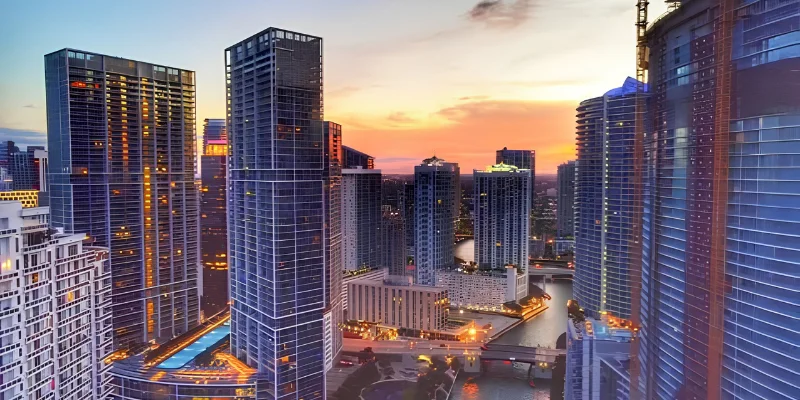
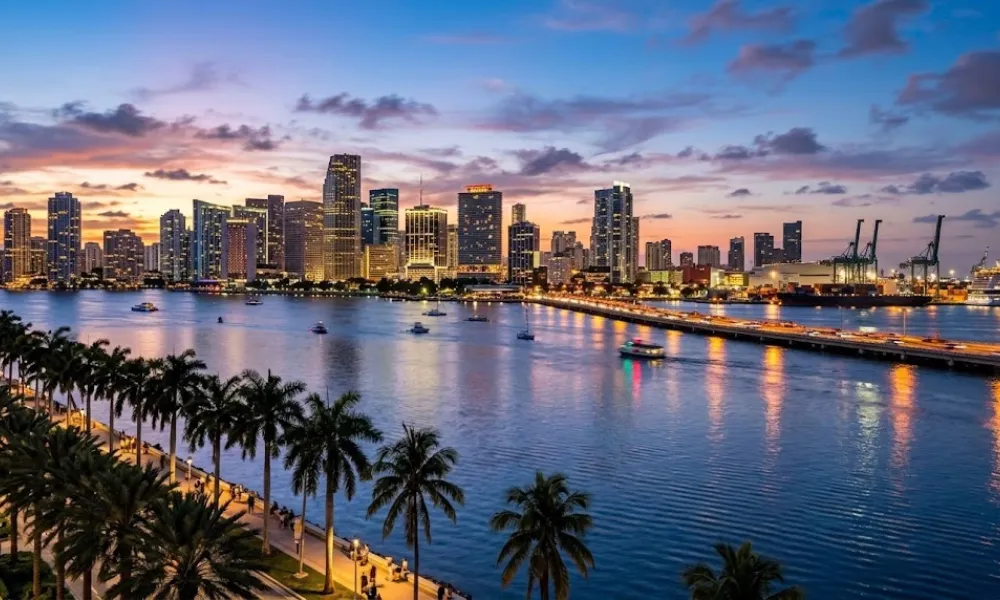
Illuminated skyscrapers at sunset in the Brickell neighborhood, reflecting on the river

Brickell (Photo Credit: barrons.com )

Brickell suits visitors who prefer an urban setting. The area is filled with high-rise hotels and apartments, restaurants, shops, offices, and pedestrian-friendly streets. Brickell City Centre is a major focal point, while Downtown Miami is directly north.

The area also provides convenient access to Miami International Airport through the Metrorail system, although actual travel time depends on the hotel and traffic conditions.

Brickell has less of a traditional beach-vacation feel. The beach is not within walking distance for most visitors, so reaching South Beach or other Miami Beach areas requires transit, a rideshare, or a car.

Choose South Beach for beach access, nightlife, and classic Miami sightseeing. Choose Brickell for an urban base, dining, and easier access to central Miami. For most visitors searching for the best Miami area for tourists, the choice depends mainly on whether the beach or the city is the priority.

Bal Harbour, Surfside, and Sunny Isles Beach: Quieter Alternatives

For a first visit, Bal Harbour, Surfside, and Sunny Isles Beach are worth considering if South Beach feels too busy. These communities sit farther north along the same barrier island chain and generally have a quieter, more residential character.

Bal Harbour

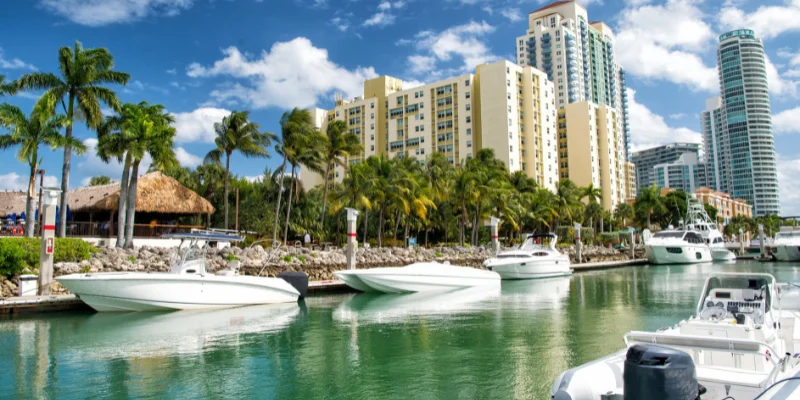
Yachts docked near palm trees and high-rises in Bal Harbour, with clear blue water.

Bal Harbour (Photo Credit: ritzcarlton.com )

Bal Harbour is the most upscale option of the three. The area is known for luxury hotels, high-end residences, and Bal Harbour Shops. It suits travelers who want a polished beachfront setting and plan to spend more time at the hotel, beach, and nearby restaurants than exploring Miami’s nightlife.

Best for: A luxury-focused first visit with direct beach access.

Surfside

Aerial view of white buildings and the beach in Surfside, with a park along the coast.

Surfside (Photo Credit: condoblackbook.com)

Surfside has a smaller-scale feel. It sits between Bal Harbour and Miami Beach and has a residential character alongside beachfront hotels and local restaurants. It can work well for visitors who want to stay near Miami Beach without being surrounded by the activity found farther south.

Best for: A quieter beach stay with convenient access to Miami Beach.

Sunny Isles Beach

Sunset over the beach and hotels in Sunny Isles Beach, with waves hitting the shore.

Sunny Isles Beach (Photo Credit: aaa.com)

Sunny Isles Beach is recognizable for its long line of high-rise condominium and resort buildings along the coast. The beach is the main attraction, while restaurants and shopping are spread along Collins Avenue and nearby streets.

It is farther from South Beach than the other two options, so getting to Miami Beach attractions takes more time. In return, visitors get a less concentrated tourist environment and plenty of beachfront accommodation.

Best for: Visitors who want a resort-style beach stay away from South Beach’s density and nightlife.

For first-timers, these areas make sense when beach access matters more than staying close to Miami’s main tourist attractions and nightlife.

Key Biscayne: A Quieter, More Local Option

Key Biscayne is a separate barrier island south of Downtown Miami, connected to the mainland by the Rickenbacker Causeway. It feels distinctly different from the Miami Beach corridor, with a more residential setting and less tourist activity.

The island is home to beaches, parks, walking and cycling routes, and outdoor attractions such as Bill Baggs Cape Florida State Park. Accommodation is more limited than in South Beach or Brickell, which can make the area feel less concentrated.

For first-time visitors, Key Biscayne works best when a quieter base is more important than being close to Miami’s main tourist strip. South Beach is several miles away, so reaching Ocean Drive, the Art Deco Historic District, or Miami Beach nightlife takes additional travel time.

Best for: Visitors who want a calmer, residential setting with easy access to beaches and outdoor spaces, and who do not mind being farther from the main tourist areas.

Safest Area to Stay in Miami

There is no single neighborhood that can be labeled the safest area to stay in Miami for every visitor. Safety can vary by street, time of day, and circumstances. For a first visit, choosing a well-established tourist area with good access to hotels, restaurants, transportation, and other services can make getting around simpler.

The same basic precautions used in any major city are useful in Miami. Stay on well-lit streets with regular foot traffic, particularly after dark. Keep phones, wallets, and other valuables secure rather than leaving them unattended at the beach. Miami Beach Police specifically recommends keeping valuables with you or using a waterproof pouch when going into the water.

Late at night, consider using a reputable rideshare or taxi rather than walking long distances through unfamiliar areas. When walking, stay aware of your surroundings and avoid displaying expensive items. The City of Miami Beach also recommends walking in well-lit areas where other people are nearby.

For the areas covered in this guide, South Beach, Mid-Beach, North Beach, Brickell, Bal Harbour, Surfside, Sunny Isles Beach, and Key Biscayne are all established places to stay with visitor infrastructure. The right choice depends on location, budget, and the type of trip rather than a simple safety ranking.

Miami's Top Vacation Rental Picks

Travelarii Marquee – Miami & Fort Lauderdale stays

Best Miami Neighborhoods Without a Car

The best Miami neighborhoods without a car are generally South Beach and Brickell. Both have enough hotels, restaurants, shops, and attractions close together that many visitors can manage their stay with walking, public transportation, and occasional rideshare trips.

South Beach is especially convenient for first-time visitors focused on Miami Beach. The beach, Ocean Drive, Art Deco Historic District, restaurants, and nightlife are concentrated within a relatively compact area. You can walk between many of the main sights and use rideshare when a longer trip is needed.

Brickell is another practical choice without a rental car. Hotels, restaurants, shopping, offices, and nearby Downtown Miami attractions are clustered around the Metrorail and Metromover network. This makes it easier to reach other parts of central Miami without driving.

The calculation changes in some of the quieter areas covered earlier. Key Biscayne is farther from the main tourist areas and has a more residential layout, so rideshare or a car can be useful. Bal Harbour and Sunny Isles Beach also have lower-density sections and sit farther north along the coast, making frequent trips to South Beach or Downtown less convenient.

For a car-free first visit, South Beach or Brickell keeps more of the daily sightseeing within easy reach.

FAQs

South Beach is the easiest choice for most first-time visitors who want beaches, Art Deco architecture, restaurants, and nightlife nearby. Brickell works better for an urban stay, while Mid-Beach, Surfside, and Key Biscayne suit visitors who prefer a quieter setting.

South Beach is better suited to a beach-focused trip, with many major Miami Beach attractions within walking distance. Brickell offers a more urban setting, strong dining options, and convenient access to Downtown Miami and public transportation.

There is no single safest neighborhood for every visitor. Choose an established tourist area, stay on well-lit streets with regular foot traffic, secure valuables, and use rideshare or taxis when traveling late at night.

Yes. South Beach and Brickell are among the easier areas to manage without a rental car. Walking, public transportation, and rideshare services can cover many common trips. Areas such as Key Biscayne and Sunny Isles Beach may require more rideshare use.

Yes. South Beach provides easy access to the beach, Ocean Drive, the Art Deco Historic District, restaurants, and nightlife, making it a practical base for seeing several of Miami’s best-known attractions.

Brickell is a good choice for visitors who prefer high-rise hotels, restaurants, shopping, and an urban setting. It also provides convenient connections to Downtown Miami and other parts of the city.

No. Miami Beach is the city, while South Beach is an area within it. Mid-Beach and North Beach are other commonly used district names within Miami Beach.

More Related Blogs From Travel Recommendations